The 15 best productivity books, ranked by reader data

The productivity and time management books busy professionals actually stick with, ranked by reader data. Updated October 2026.

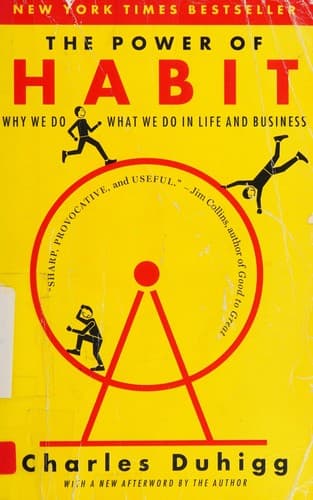
Cover of The Power of Habit by Charles Duhigg
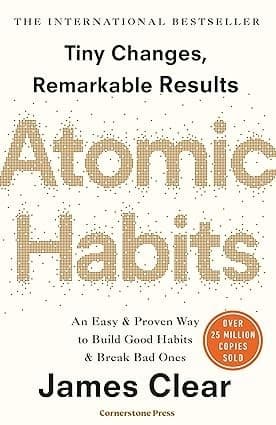
Cover of Atomic Habits by James Clear
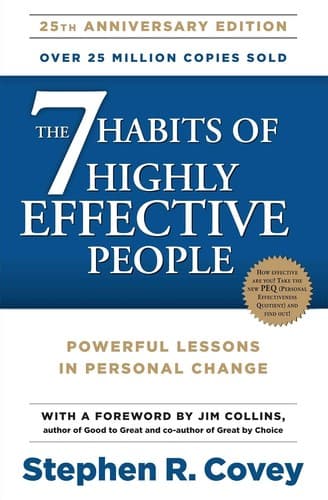
Cover of The 7 Habits of Highly Effective People by Stephen R. Covey

At a glance

  1. 1
    Cover of Atomic Habits by James Clear
    Atomic Habits by James Clear
  2. 2
    Cover of The Power of Habit by Charles Duhigg
    The Power of Habit by Charles Duhigg
  3. 3
    Cover of The 7 Habits of Highly Effective People by Stephen R. Covey
    The 7 Habits of Highly Effective People by Stephen R. Covey
  4. 4
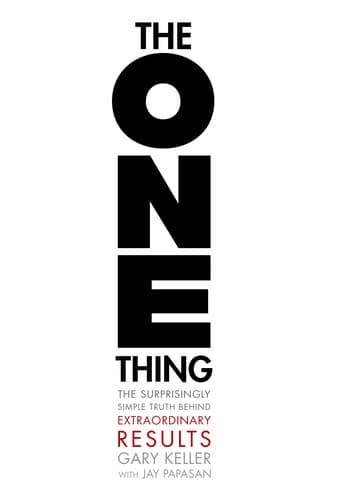
    Cover of The ONE Thing by Gary Keller
    The ONE Thing by Gary Keller
  5. 5
    Cover of Deep Work by Cal Newport
    Deep Work by Cal Newport
  6. 6
    Cover of Essentialism by Greg McKeown
    Essentialism by Greg McKeown
  7. 7
    Cover of The 12 Week Year by Brian P. Moran
    The 12 Week Year by Brian P. Moran
  8. 8
    Cover of Getting Things Done by David Allen
    Getting Things Done by David Allen
  9. 9
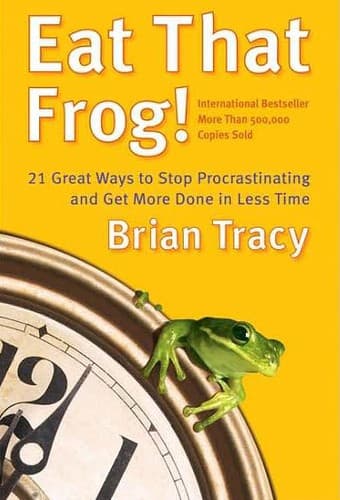
    Cover of Eat That Frog! by Brian Tracy
    Eat That Frog! by Brian Tracy
  10. 10
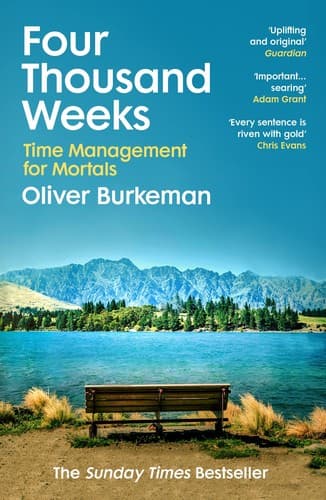
    Cover of Four Thousand Weeks by Oliver Burkeman
    Four Thousand Weeks by Oliver Burkeman
  11. 11
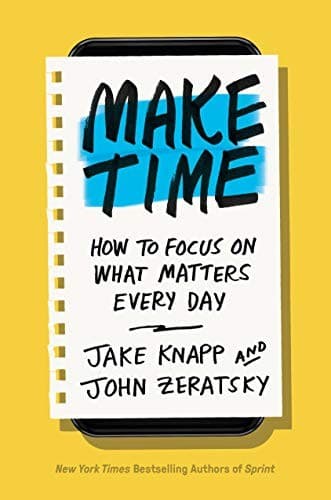
    Cover of Make Time by Jake Knapp
    Make Time by Jake Knapp
  12. 12
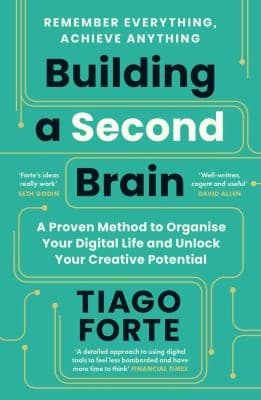
    Cover of Building a Second Brain by Tiago Forte
    Building a Second Brain by Tiago Forte
  13. 13
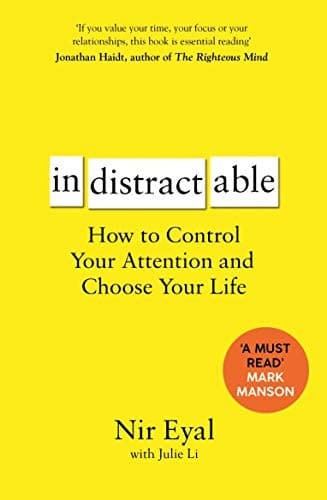
    Cover of Indistractable by Nir Eyal
    Indistractable by Nir Eyal
  14. 14
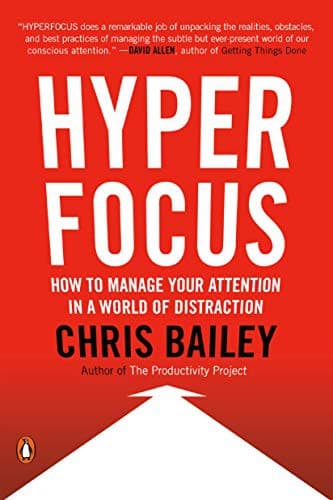
    Cover of Hyperfocus by Chris Bailey
    Hyperfocus by Chris Bailey
  15. 15
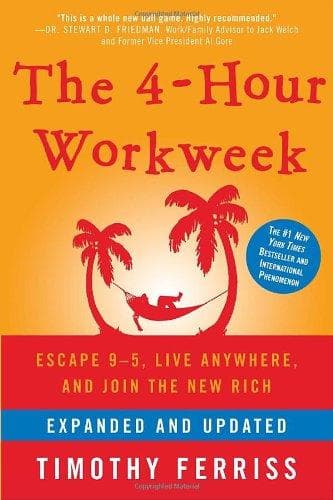
    Cover of The 4-Hour Workweek by Timothy Ferriss
    The 4-Hour Workweek by Timothy Ferriss
Cover of Atomic Habits by James Clear

#1

Atomic Habits

James Clear · 2016

4.8 on Amazon150k reviews33k searches a monthAbout 6 hours to read

A practical system for building good habits and breaking bad ones through small, consistent changes.

Clear argues that lasting change comes from tiny improvements compounded over time, not dramatic overhauls. He ties habits to identity, so behavior sticks when it reflects who you want to become. The book offers a four-part model of cue, craving, response, and reward, and shows how to adjust each step to build or break a habit. Readers leave with concrete tactics for designing their environment and making routines easier to start and maintain.

Key ideas

  • Small daily improvements compound into major results over time.
  • Lasting change starts with identity, not outcomes or goals alone.
  • Habits follow four steps: cue, craving, response, reward; adjust each one.

Best for

Readers who want a clear, practical method for changing routines at work or home.

View on Amazon
Cover of The Power of Habit by Charles Duhigg

#2

The Power of Habit

Charles Duhigg · 2012

4.6 on Amazon40k reviews9.9k searches a monthAbout 8 hours to read

Explains how habits form in individuals, companies, and societies, and how to change them deliberately.

Duhigg draws on neuroscience, psychology, and corporate case studies to argue that habits follow a repeatable pattern and can be reshaped rather than endured. He shows how people and organizations succeed by identifying the cues and rewards behind routines, then substituting new behaviors. The book also explores how a few pivotal habits can spark wider change, and how belief and social ties help new behaviors last. Readers come away with a practical way to analyze their own routines.

Key ideas

  • Habits run on a loop of cue, routine, and reward.
  • Old habits are best changed by keeping the cue and reward but swapping the routine.
  • Keystone habits can trigger broader shifts in behavior across a person or organization.

Best for

Readers wanting a story-driven, research-based guide to changing personal, team, or organizational routines.

View on Amazon
Cover of The 7 Habits of Highly Effective People by Stephen R. Covey

#3

The 7 Habits of Highly Effective People

Stephen R. Covey · 1989

4.6 on Amazon21k reviews15k searches a monthAbout 7 hours to read

A principle-based approach to personal and professional effectiveness built on character, not quick tricks.

Covey argues that lasting effectiveness comes from developing inner character and sound principles rather than relying on surface techniques or personality tactics. He lays out seven habits that move a person from dependence to independence and then to productive interdependence. Readers learn to take responsibility for their choices, clarify what matters most, prioritize accordingly, collaborate through mutual benefit, listen before seeking to be understood, and keep renewing themselves over time.

Key ideas

  • Character and principles matter more than image or short-term personality techniques.
  • Proactivity means choosing your response instead of blaming circumstances or other people.
  • Begin with a clear picture of your goals, then put first things first.

Best for

Managers, professionals, and students seeking a lasting framework for personal growth and better relationships.

View on Amazon
Cover of The ONE Thing by Gary Keller

#4

The ONE Thing

Gary Keller · 2001

4.6 on Amazon22k reviews6.6k searches a monthAbout 5 hours to read

A case for narrowing your focus to the single most important task and protecting time for it.

Keller argues that extraordinary results come from focused effort on one priority at a time, not from juggling many tasks. He challenges common beliefs about multitasking, discipline, and balance, and proposes asking a focusing question to find the action with the greatest leverage. Readers take away a practical habit of choosing a lead priority, blocking time to work on it, and accepting that some things will go undone.

Key ideas

  • Not all tasks matter equally; a few actions drive most of your results.
  • Multitasking splits attention and lowers the quality of your work.
  • Protect dedicated time blocks for your top priority before everything else.

Best for

Overextended professionals and business owners who want a simple system for prioritizing their work.

View on Amazon
Cover of Deep Work by Cal Newport

#5

Deep Work

Cal Newport · 2016

4.5 on Amazon33k reviews4.4k searches a monthAbout 6 hours to read

Sustained, distraction-free focus is a rare and valuable skill, and it can be trained.

Newport argues that the ability to concentrate on demanding work is increasingly scarce yet increasingly rewarded, while shallow tasks like email and social media crowd it out. The first half makes the case for why depth matters across professions. The second half offers four rules for building it: structuring your schedule, embracing boredom, being selective with digital tools, and cutting shallow work. Readers come away with a practical framework for protecting focus and producing higher-quality results.

Key ideas

  • Deep focus produces better work in less time and brings deeper professional satisfaction.
  • Constant connectivity and shallow tasks erode our capacity for concentration over time.
  • Focus is a trainable skill built through routines, rituals, and deliberate limits on distraction.

Best for

Knowledge workers, writers, and students struggling to concentrate amid constant digital interruptions.

View on Amazon
Cover of Essentialism by Greg McKeown

#6

Essentialism

Greg McKeown · 2014

4.6 on Amazon21k reviews5.4k searches a monthAbout 5 hours to read

A case for disciplined selectivity: pursue fewer things, do them better, and reclaim control of your choices.

McKeown argues that modern life pushes people to say yes to too much, leaving them busy but not effective. He presents essentialism as a disciplined method for working out what truly matters, cutting the rest, and building routines that make the important things easier to do. The book covers exploring options, eliminating nonessentials, and executing with less friction. Readers come away with a mindset and practical habits for saying no gracefully and spending energy deliberately.

Key ideas

  • Choosing is a power you hold, and not choosing lets others decide for you.
  • Most things are trivial; a vital few deserve nearly all of your effort.
  • Saying no to good options is necessary to commit fully to the best ones.

Best for

Overcommitted professionals and managers who want a framework for prioritizing and declining requests.

View on Amazon
Cover of The 12 Week Year by Brian P. Moran

#7

The 12 Week Year

Brian P. Moran · 2013

4.7 on Amazon9.2k reviews5.4k searches a monthAbout 4 hours to read

A productivity guide arguing you should treat twelve weeks as a full year to execute faster.

Moran and co-author Michael Lennington argue that annual planning breeds complacency, since deadlines feel distant and urgency arrives late. Replacing the year with a twelve-week cycle shortens the planning horizon and makes every week count. Readers get a system for setting a clear vision, building a focused short-term plan, tracking progress with regular measurement, and holding themselves accountable. The takeaway is to do fewer things with greater intensity and consistency.

Key ideas

  • Annual planning encourages delay; a shorter cycle creates urgency and keeps effort consistent.
  • Turn your vision into a focused plan with a few high-impact goals.
  • Weekly scoring and accountability help you see whether actions are being carried out.

Best for

Professionals and business owners who struggle to turn ambitious goals into consistent weekly action.

View on Amazon
Cover of Getting Things Done by David Allen

#8

Getting Things Done

David Allen · 2001

4.5 on Amazon11k reviews12k searches a monthAbout 5 hours to read

A practical system for capturing commitments and organizing work so your mind stays clear and calm.

Allen argues that stress comes from open loops held in memory, not from workload itself. His answer is to get every task, idea, and obligation out of your head and into a trusted external system, then review it regularly. The method centers on deciding the very next physical action for each commitment. Readers come away with a repeatable workflow for handling incoming demands, plus a way to stay relaxed yet in control.

Key ideas

  • Your mind is poor at storing tasks; capture everything in a trusted system.
  • Define the next concrete action for every project or commitment.
  • Review your lists regularly so you can trust your choices.

Best for

Overloaded professionals and managers wanting a concrete, repeatable system for organizing tasks and reducing stress.

View on Amazon
Cover of Eat That Frog! by Brian Tracy

#9

Eat That Frog!

Brian Tracy · 2001

4.7 on Amazon14k reviews1.3k searches a monthAbout 2 hours to read

A practical guide to beating procrastination by doing your hardest, most valuable task first each day.

Tracy argues that you will never have time for everything, so results depend on choosing the right work and starting it early. The 'frog' is your most important and most dreaded task, and doing it first builds momentum and a sense of accomplishment. The book offers a collection of short, actionable habits for planning, prioritizing, and focusing. A reader leaves with simple routines to cut through distraction, decide what matters, and act on it.

Key ideas

  • Tackle your biggest, most consequential task first, before easier or more pleasant work.
  • Plan each day in advance and rank tasks by their real impact.
  • Discipline and repeated habit turn productive action into a reliable default.

Best for

Overloaded professionals and chronic procrastinators wanting quick, actionable productivity habits.

View on Amazon
Cover of Four Thousand Weeks by Oliver Burkeman

#10

Four Thousand Weeks

Oliver Burkeman · 2021

4.5 on Amazon15k reviews390 searches a monthAbout 5 hours to read

A realistic case that accepting our limited time is the key to a meaningful life.

Burkeman argues that the urge to master time through productivity systems is a trap, because there will always be more to do than anyone can finish. Instead of chasing efficiency, he encourages readers to accept their finite capacity, choose what to neglect, and give full attention to what matters. Drawing on philosophy and psychology, the book offers a calmer, more honest way to approach work, leisure, and the limited weeks we have.

Key ideas

  • Efficiency tricks often create more demands, so doing everything is an impossible goal.
  • Accepting limits forces real choices about what to prioritize and what to give up.
  • Our habits around time are cultural choices, and we can rethink them.

Best for

Overwhelmed professionals tired of productivity systems who want a more philosophical, humane approach to time.

View on Amazon
Cover of Make Time by Jake Knapp

#11

Make Time

Jake Knapp · 2018

4.5 on Amazon5.6k reviews390 searches a monthAbout 6 hours to read

A practical, flexible system for reclaiming attention and time for what matters, one day at a time.

Knapp and Zeratsky argue that busyness and distraction are not inevitable, and that you can redesign your days without overhauling your life. They organize tactics around four repeating steps: Highlight, Laser, Energize, Reflect. Readers pick a daily priority, limit the pull of phones and endless inboxes, protect physical energy, and run small experiments. The book is a menu of options, so you keep what works and drop what doesn't.

Key ideas

  • Choose one daily Highlight to give each day a meaningful focus.
  • Laser tactics reduce distraction by making devices and feeds harder to default to.
  • Energize through sleep, movement, food, and breaks, since energy fuels attention and time.

Best for

Overscheduled professionals who want realistic, customizable ways to focus and feel less busy.

View on Amazon
Cover of Building a Second Brain by Tiago Forte

#12

Building a Second Brain

Tiago Forte · 2022

4.5 on Amazon7k reviews210 searches a monthAbout 5 hours to read

A practical guide to capturing, organizing, and using your notes as an external digital memory.

Forte argues that information overload comes from keeping our ideas in our heads or scattered across apps. He proposes a personal knowledge system that works like an outside memory, so you can stop trying to remember everything and focus on creating. The book outlines a repeatable method, known as CODE, for collecting useful material, sorting it by actionability, distilling it, and turning it into finished work. Readers come away with a clear, tool-agnostic workflow.

Key ideas

  • Offload ideas to a trusted digital system instead of relying on memory.
  • Follow the CODE steps: capture, organize, distill, and express.
  • Organize notes by project actionability using the PARA structure, not by topic.

Best for

Knowledge workers, students, and creatives overwhelmed by information who want a simple note-taking workflow.

View on Amazon
Cover of Indistractable by Nir Eyal

#13

Indistractable

Nir Eyal · 2019

4.4 on Amazon6.4k reviews320 searches a monthAbout 6 hours to read

A practical guide to controlling attention and resisting distractions from technology, coworkers, and your own mind.

Eyal argues that distraction is mainly a problem of managing discomfort, not a flaw in technology alone. Since people seek relief from internal unease, the fix begins with understanding those triggers. He offers a framework built around mastering internal triggers, making time for traction, reducing external triggers, and using pacts to prevent slips. Readers come away with concrete tactics for scheduling their time, handling notifications, and working better at the office and at home.

Key ideas

  • Distraction starts with the urge to escape uncomfortable feelings, not with gadgets.
  • Plan your day on a calendar so you can judge whether you stayed on track.
  • Use precommitments, like pacts, to lock in your intentions before temptation arrives.

Best for

Knowledge workers and parents who want to focus better and use technology more intentionally.

View on Amazon
Cover of Hyperfocus by Chris Bailey

#14

Hyperfocus

Chris Bailey · 2018

4.5 on Amazon3.9k reviews260 searches a monthAbout 5 hours to read

A guide to managing attention by alternating between intense focus and deliberately unfocused thinking.

Bailey argues that attention is our most valuable resource, and that productivity depends on how deliberately we direct it. He describes two complementary modes: hyperfocus, where you concentrate on one task and cut distractions, and scatterfocus, where you let your mind wander on purpose to spark creativity and planning. Readers get practical experiments for choosing what deserves attention, reducing mental clutter, and using both modes at the right times.

Key ideas

  • Attention shapes your experience and results, so direct it on purpose.
  • Hyperfocus means working on one chosen task with distractions removed.
  • Scatterfocus lets the mind wander deliberately, aiding creativity, planning, and connecting ideas.

Best for

Knowledge workers and busy professionals who feel distracted and want practical attention habits.

View on Amazon
Cover of The 4-Hour Workweek by Timothy Ferriss

#15

The 4-Hour Workweek

Timothy Ferriss · 2006

4.5 on Amazon29k reviewsAbout 7 hours to read

A guide to escaping the traditional career path by building location-independent income and gaining control of your time.

Ferriss argues that people needn't postpone enjoyment until retirement. He proposes treating time and mobility as the real forms of wealth, and lays out a method he calls DEAL: define goals, eliminate low-value work, automate income, and liberate yourself from a fixed location. Readers take away tactics for cutting unproductive tasks, delegating to remote help, negotiating flexibility, limiting information intake, and spreading leisure across life through travel and mini-retirements.

Key ideas

  • Time and mobility matter more than accumulating money for a distant retirement.
  • Focus on the few tasks that produce most results and drop the rest.
  • Delegate and automate work so income continues without constant involvement.

Best for

Overworked employees and aspiring entrepreneurs wanting more freedom, flexibility, and control over their schedules.

View on Amazon

How we rank these books

We start from 17 books that practitioners widely recommend on the topic, then rank them by what readers actually do rather than by our taste:

  • Review volume (55%): the number of Amazon US ratings on the book's main listing.
  • Rating (20%): the average Amazon US star rating.
  • Search demand (25%): how many people search Google in the US for the book each month.

Volume and demand are log-scaled so a few mega-sellers don't drown out everything else. Publication year and page counts come from Open Library. Summaries are our own, written from each book's catalog description. We don't take payment for placement.

From reader to author

Every book on this list started as one expert's know-how. Yours could be next.

BOOKED shows how experts turn what they know into a book that brings in clients. Rather not write it yourself? We can write it with you.

Questions about productivity books

Answers drawn from the data behind this list.

Browse all book lists
By reader data, Atomic Habits by James Clear ranks first, with 150k Amazon reviews and a 4.8 star rating. The Power of Habit and The 7 Habits of Highly Effective People follow. A practical system for building good habits and breaking bad ones through small, consistent changes.

More business book lists