

The 15 best books for coaches, ranked by reader data

The books coaches recommend for sharpening their craft and growing a practice, from coaching method to getting clients, ranked by reader data. Updated October 2026.

Cover of Mindset by Carol S. Dweck
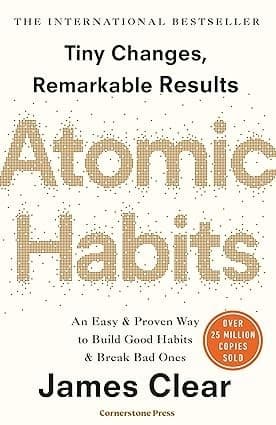
Cover of Atomic Habits by James Clear
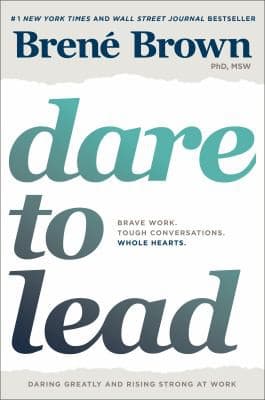
Cover of Dare to Lead by Brené Brown

At a glance

  1. 1
    Cover of Atomic Habits by James Clear
    Atomic Habits by James Clear
  2. 2
    Cover of Mindset by Carol S. Dweck
    Mindset by Carol S. Dweck
  3. 3
    Cover of Dare to Lead by Brené Brown
    Dare to Lead by Brené Brown
  4. 4
    Cover of The Inner Game of Tennis by W. Timothy Gallwey
    The Inner Game of Tennis by W. Timothy Gallwey
  5. 5$100M Offers by Alex Hormozi
  6. 6
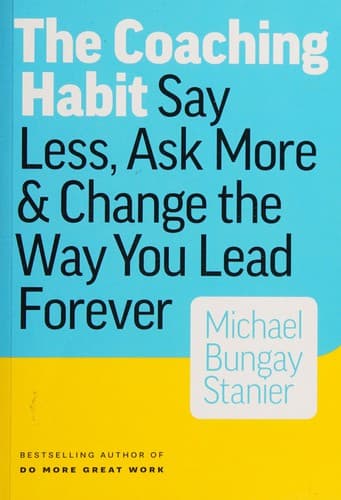
    Cover of The Coaching Habit by Michael Bungay Stanier
    The Coaching Habit by Michael Bungay Stanier
  7. 7
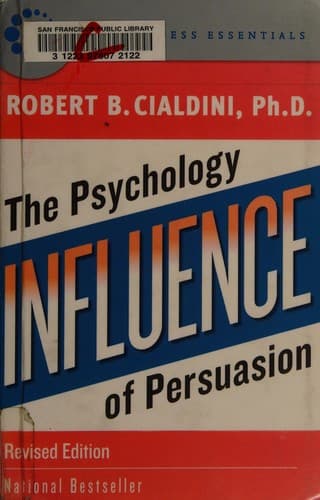
    Cover of Influence: The Psychology of Persuasion by Robert B. Cialdini
    Influence: The Psychology of Persuasion by Robert B. Cialdini
  8. 8
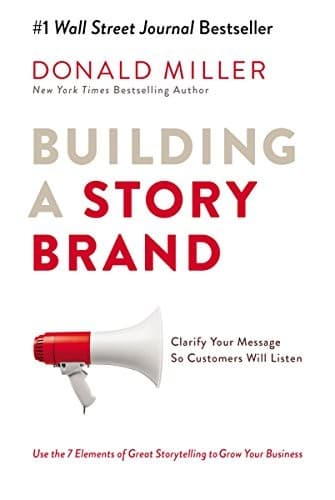
    Cover of Building a StoryBrand by Donald Miller
    Building a StoryBrand by Donald Miller
  9. 9
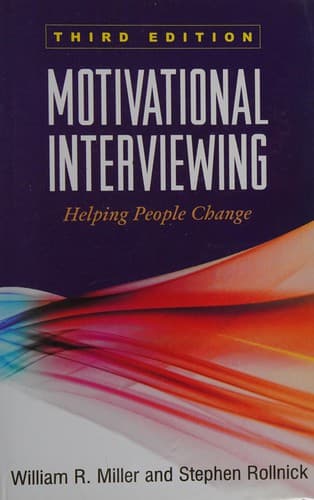
    Cover of Motivational Interviewing by William R. Miller
    Motivational Interviewing by William R. Miller
  10. 10
    Cover of Expert Secrets by Russell Brunson
    Expert Secrets by Russell Brunson
  11. 11
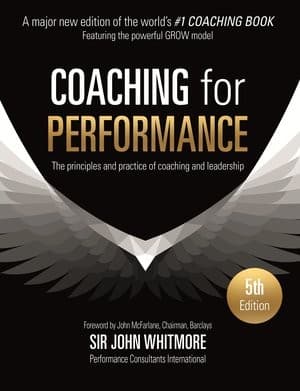
    Cover of Coaching for Performance by John Whitmore
    Coaching for Performance by John Whitmore
  12. 12Immunity to Change by Robert Kegan
  13. 13
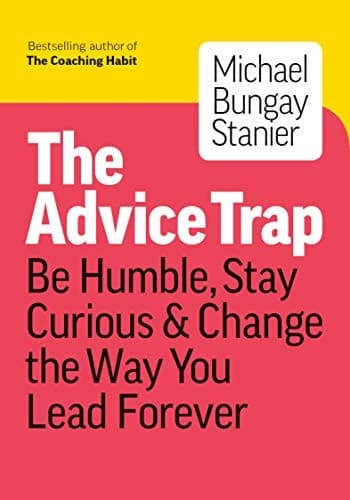
    Cover of The Advice Trap by Michael Bungay Stanier
    The Advice Trap by Michael Bungay Stanier
  14. 14Book Yourself Solid by Michael Port
  15. 15
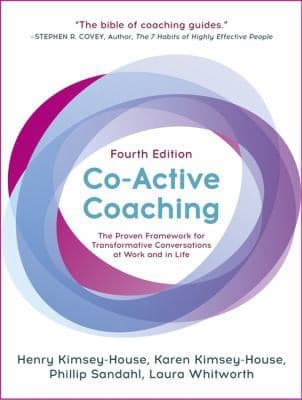
    Cover of Co-Active Coaching by Henry Kimsey-House
    Co-Active Coaching by Henry Kimsey-House
Cover of Atomic Habits by James Clear

#1

Atomic Habits

James Clear · 2016

4.8 on Amazon150k reviews33k searches a monthAbout 6 hours to read

A practical system for building good habits and breaking bad ones through small, consistent changes.

Clear argues that lasting change comes from tiny improvements compounded over time, not dramatic overhauls. He ties habits to identity, so behavior sticks when it reflects who you want to become. The book offers a four-part model of cue, craving, response, and reward, and shows how to adjust each step to build or break a habit. Readers leave with concrete tactics for designing their environment and making routines easier to start and maintain.

Key ideas

  • Small daily improvements compound into major results over time.
  • Lasting change starts with identity, not outcomes or goals alone.
  • Habits follow four steps: cue, craving, response, reward; adjust each one.

Best for

Readers who want a clear, practical method for changing routines at work or home.

View on Amazon
Cover of Mindset by Carol S. Dweck

#2

Mindset

Carol S. Dweck · 2006

4.7 on Amazon35k reviews5.4k searches a monthAbout 6 hours to read

Psychologist argues that believing abilities can be developed, rather than fixed, shapes success in work, school, and relationships.

Carol Dweck, a psychologist, contrasts two outlooks. A fixed mindset treats talent as a set quantity to be proven, while a growth mindset sees ability as something built through effort, learning, and feedback. She draws on her research and examples from school, sports, business, and relationships to show how each outlook changes responses to failure, challenge, and criticism. Readers come away with ways to spot their own mindset, shift it, and encourage growth in children, students, and teams.

Key ideas

  • Believing ability is fixed leads people to avoid challenges and protect their image.
  • Growth-minded people treat failure and effort as information and routes to improvement.
  • Praise and feedback from parents, teachers, and managers can reinforce either mindset.

Best for

Parents, teachers, coaches, and managers wanting to foster resilience and learning in others and themselves.

View on Amazon
Cover of Dare to Lead by Brené Brown

#3

Dare to Lead

Brené Brown · 2018

4.7 on Amazon23k reviews1.3k searches a monthAbout 6 hours to read

A practical case for courageous, vulnerable leadership built on empathy, trust, and honest conversation.

Brown argues that leadership is a matter of taking responsibility for people and ideas, not holding a title. Drawing on her research on vulnerability, shame, and courage, she shows how leaders can build cultures where people speak candidly and take risks. She treats courage as a set of teachable skills, including curiosity, clear communication, and living by your values. Readers come away with concrete practices for handling hard conversations and building trust on their teams.

Key ideas

  • Leadership comes from caring about people and potential, not from rank or status.
  • Vulnerability is the foundation of courage, trust, and honest work, not a weakness.
  • Clear values and skill-building help leaders stay brave under pressure and uncertainty.

Best for

Managers and team leaders wanting to build trust and handle difficult conversations well.

View on Amazon
Cover of The Inner Game of Tennis by W. Timothy Gallwey

#4

The Inner Game of Tennis

W. Timothy Gallwey · 1834

4.6 on Amazon10k reviews9.9k searches a monthAbout 3 hours to read

A tennis coach explains how quieting self-critical thinking unlocks better focus, learning, and performance on the court.

Gallwey argues that most performance problems in tennis come from the mind, not the body. A critical, instructing inner voice (which he calls Self 1) interferes with the natural ability of the body to learn and perform (Self 2). By observing without judgment, focusing attention on the present, and trusting instinct, players relax, improve faster, and enjoy the game more. The ideas apply well beyond sport, to work and learning generally.

Key ideas

  • Self-criticism and overthinking undermine skill more than poor technique does.
  • Trust the body's natural learning instead of forcing it with constant instructions.
  • Concentration comes from calm, present-moment awareness, not from straining harder.

Best for

Competitive athletes, coaches, and professionals who want to perform better under pressure.

View on Amazon

$100M Offers

Alex Hormozi

#5

$100M Offers

Alex Hormozi · 2021

4.9 on Amazon30k reviews110 searches a monthAbout 3 hours to read

A practical guide to building offers so compelling that customers feel foolish saying no.

Hormozi argues that the offer, not marketing tactics or price cutting, is the biggest lever for growing a business. He teaches how to raise the perceived value of what you sell by targeting a strong market, addressing customer problems, and structuring what you deliver. Readers learn to package services, add bonuses, use guarantees, and create urgency so they can charge more, compete on value instead of price, and attract customers more easily.

Key ideas

  • Strong offers let you charge premium prices instead of competing on being cheapest.
  • Value rises when outcomes are bigger and likelier, faster, and easier for the customer.
  • Guarantees, bonuses, scarcity, and good naming strengthen an offer and reduce buyer risk.

Best for

Founders, freelancers, and marketers who want to improve pricing, packaging, and sales conversion.

View on Amazon
Cover of The Coaching Habit by Michael Bungay Stanier

#6

The Coaching Habit

Michael Bungay Stanier · 1905

4.5 on Amazon17k reviews3.6k searches a monthAbout 12 hours to read

A practical guide to building a coaching habit by asking better questions instead of giving advice.

Bungay Stanier argues that managers and leaders default to advice-giving and rescuing, which creates overwhelmed leaders and dependent teams. He proposes a simple alternative: stay curious a little longer and respond with a small set of well-chosen questions in everyday conversations. The book offers seven core questions and shows how to turn brief, routine exchanges into coaching moments. Readers come away with easy-to-use tools for building the habit, without formal coaching training.

Key ideas

  • Stay curious longer and rush to give advice less often.
  • A handful of simple questions can guide most work conversations.
  • Lasting behavior change comes from small, deliberate habits, not big training programs.

Best for

Managers and team leaders who want to delegate better and develop their people.

View on Amazon
Cover of Influence: The Psychology of Persuasion by Robert B. Cialdini

#7

Influence: The Psychology of Persuasion

Robert B. Cialdini · 1983

4.5 on Amazon13k reviews3.6k searches a monthAbout 6 hours to read

A research-based look at why people comply, and how to use or resist persuasion.

Cialdini draws on experiments and his own undercover observation of salespeople, fundraisers, and marketers to explain why people say yes. He organizes the findings into six principles of influence that work largely by triggering mental shortcuts. Readers learn to recognize these levers in advertising, sales, and everyday requests, apply them ethically in their own work, and spot manipulation before it succeeds. The book is vivid, example-heavy, and practical.

Key ideas

  • Six core principles drive most compliance: reciprocity, commitment, social proof, liking, authority, and scarcity.
  • People rely on automatic shortcuts, which professionals can exploit when we are busy or unsure.
  • Understanding these triggers helps you persuade ethically and defend against manipulation.

Best for

Marketers, salespeople, managers, and curious general readers interested in the psychology of everyday decisions.

View on Amazon
Cover of Building a StoryBrand by Donald Miller

#8

Building a StoryBrand

Donald Miller · 2017

4.7 on Amazon11k reviews590 searches a monthAbout 5 hours to read

A guide to clarifying your marketing message by framing your customer as the hero of a story.

Miller argues that most companies lose customers because their messaging is confusing and focused on themselves. He borrows from storytelling structure, positioning the customer as the hero and the brand as the trusted guide. The book walks through a seven-part framework for building clear messaging, then shows how to apply it to websites, emails, and sales pitches. Readers come away with a practical method for simplifying what they say and making it resonate.

Key ideas

  • Customers are the hero of the story, and your brand plays the guide.
  • Clear, simple messaging beats clever or complicated language when people are busy.
  • A repeatable story framework can organize your website, emails, and sales conversations.

Best for

Small business owners and marketers struggling to explain their offer in a way customers grasp.

View on Amazon
Cover of Motivational Interviewing by William R. Miller

#9

Motivational Interviewing

William R. Miller · 1991

4.7 on Amazon2.2k reviews1k searches a monthAbout 7 hours to read

A counseling approach that helps people resolve ambivalence and find their own motivation to change.

Miller and Rollnick present motivational interviewing as a collaborative, respectful style of conversation rather than a set of confrontational tactics. Instead of pushing people toward change, the practitioner draws out their own reasons and values, working with ambivalence rather than against it. The book covers the underlying spirit, practical skills and guidelines, and the process of learning the method. It also explores applications in health care, criminal justice, and work with groups, couples, and adolescents.

Key ideas

  • Ambivalence about change is normal, and resolving it is the central task.
  • Practitioner style matters: empathy and collaboration beat confrontation and persuasion.
  • People are more convinced by reasons for change that they voice themselves.

Best for

Counselors, clinicians, and helping professionals who guide clients through difficult behavior change.

View on Amazon
Cover of Expert Secrets by Russell Brunson

#10

Expert Secrets

Russell Brunson · 2017

4.7 on Amazon2.5k reviews170 searches a monthAbout 5 hours to read

A guide to turning your knowledge into a following, a movement, and a profitable business.

Brunson argues that selling expertise works best when you build a movement around a cause, not just pitch a product. He shows how to craft a compelling persona, tell stories that lead people to their own realizations, and frame your offer as a fresh opportunity. Readers come away with a practical outline for positioning themselves as a leader, persuading audiences through story, and presenting offers in webinars and other sales settings.

Key ideas

  • Build a movement around a cause and a future your audience wants to join.
  • Use an attractive character with a relatable backstory to earn trust and attention.
  • Epiphany bridge stories help prospects reach the belief needed to buy.

Best for

Coaches, consultants, and online entrepreneurs wanting to package expertise and sell it through story.

View on Amazon
Cover of Coaching for Performance by John Whitmore

#11

Coaching for Performance

John Whitmore · 1992

4.6 on Amazon2.3k reviews140 searches a monthAbout 4 hours to read

A guide to coaching that helps people build awareness and take responsibility for their own performance.

Whitmore argues that managers get better results by drawing out people's own thinking than by instructing them. Coaching, in his view, is about raising awareness and responsibility, so individuals learn and act on their own insight. The book offers a simple conversational structure, the GROW model, for guiding coaching talks, and explains how belief, attention, and self-motivation shape results at work and beyond. Readers come away with practical questioning habits and a different view of leadership.

Key ideas

  • Performance rises when people have genuine awareness and take real responsibility.
  • Skilled questions work better than telling, advising, or directing.
  • The GROW model gives coaching conversations a clear, flexible structure.

Best for

Managers, team leaders, and HR professionals wanting a practical introduction to coaching conversations.

View on Amazon

Immunity to Change

Robert Kegan

#12

Immunity to Change

Robert Kegan · 2009

4.5 on Amazon859 reviews1k searches a monthAbout 7 hours to read

Explains why people resist change they sincerely want and offers a method to overcome it.

Kegan and Lisa Lahey argue that failure to change often stems from a hidden immune system of competing commitments and unexamined assumptions, not weak willpower. The book walks readers through mapping their own stated goal, counterproductive behaviors, hidden commitments, and underlying big assumptions. Readers then design small tests of those assumptions to loosen their grip. The takeaway is that lasting change requires examining the beliefs that protect us, not just adopting new habits.

Key ideas

  • Hidden competing commitments quietly work against goals people openly say they hold.
  • Big assumptions about what will go wrong keep the resistance in place.
  • Small, safe experiments can test assumptions and gradually shift old mindsets.

Best for

Managers, coaches, and leaders frustrated by stalled personal or team change efforts.

View on Amazon
Cover of The Advice Trap by Michael Bungay Stanier

#13

The Advice Trap

Michael Bungay Stanier · 2020

4.6 on Amazon1.7k reviews50 searches a monthAbout 5 hours to read

Why leaders default to giving advice, and how curiosity can replace that habit.

Bungay Stanier argues that the urge to give advice is a deeply ingrained habit that often leaves people less capable, not more. He names inner forces that push us to tell, rescue, or control, and shows how they undermine good leadership. The takeaway is a practical approach: hold back, ask open questions, and let others think through their own challenges so they build ownership and confidence.

Key ideas

  • Advice-giving feels helpful but often weakens the other person's ownership and growth.
  • Three 'advice monsters' (Tell-It, Save-It, Control-It) drive our rush to fix things.
  • Staying curious a little longer leads to better conversations and better solutions.

Best for

Managers and coaches who want to stop solving everyone's problems and develop their teams.

View on Amazon

Book Yourself Solid

Michael Port

#14

Book Yourself Solid

Michael Port · 2008

4.6 on Amazon440 reviews390 searches a monthAbout 7 hours to read

A practical marketing system helping independent professionals attract ideal clients and build a steady, predictable pipeline of business.

Port argues that small service businesses fill their calendars by being selective and consistent, not by chasing everyone. Readers learn to define the clients they most want to serve, build trust before asking for business, and commit to a small set of repeatable promotion habits. The book also addresses the self-doubt that keeps many people from selling, and it offers exercises for turning the ideas into a working plan.

Key ideas

  • Choose your clients deliberately, because a clear ideal client makes marketing easier.
  • People hire those they know, like, and trust, so build credibility first.
  • Steady, repeated promotion activity beats occasional bursts of marketing effort.

Best for

Coaches, consultants, freelancers, and other solo service providers who want more reliable client flow.

View on Amazon
Cover of Co-Active Coaching by Henry Kimsey-House

#15

Co-Active Coaching

Henry Kimsey-House · 2011

4.7 on Amazon1.4k reviewsAbout 4 hours to read

A foundational guide to coaching as a collaborative partnership that helps clients create fulfilling, purposeful change.

The book presents coaching as a partnership in which coach and client work together, rather than an expert handing out advice. It assumes clients are capable and resourceful, and it teaches coaches to listen deeply, ask curious questions, and attend to the whole person instead of just the problem. Readers get a practical model, core skills, and guidance on building a strong coaching relationship that supports lasting growth and fulfillment.

Key ideas

  • Clients are capable and resourceful, so the coach's job is to evoke, not instruct.
  • Deep listening, intuition, and curiosity are core skills that drive coaching conversations.
  • Effective coaching considers the client's whole life, values, and sense of purpose.

Best for

Aspiring or practicing coaches, and managers or mentors wanting a people-centered coaching approach.

View on Amazon

How we rank these books

We start from 16 books that practitioners widely recommend on the topic, then rank them by what readers actually do rather than by our taste:

  • Review volume (55%): the number of Amazon US ratings on the book's main listing.
  • Rating (20%): the average Amazon US star rating.
  • Search demand (25%): how many people search Google in the US for the book each month.

Volume and demand are log-scaled so a few mega-sellers don't drown out everything else. Publication year and page counts come from Open Library. Summaries are our own, written from each book's catalog description. We don't take payment for placement.

From reader to author

Every book on this list started as one expert's know-how. Yours could be next.

BOOKED shows how experts turn what they know into a book that brings in clients. Rather not write it yourself? We can write it with you.

Questions about coaches books

Answers drawn from the data behind this list.

Browse all book lists
By reader data, Atomic Habits by James Clear ranks first, with 150k Amazon reviews and a 4.8 star rating. Mindset and Dare to Lead follow. A practical system for building good habits and breaking bad ones through small, consistent changes.

More business book lists