


The 15 best leadership books for women, ranked by reader data

Leadership and career books that women leaders recommend most, from finding your voice to running a team, ranked by reader data. Updated October 2026.

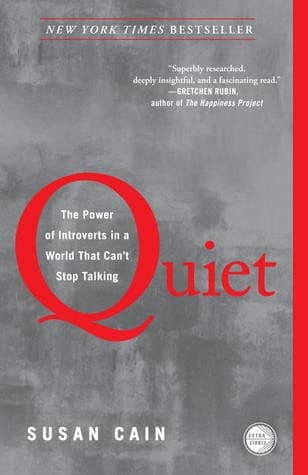
Cover of Quiet by Susan Cain
Cover of Mindset by Carol S. Dweck
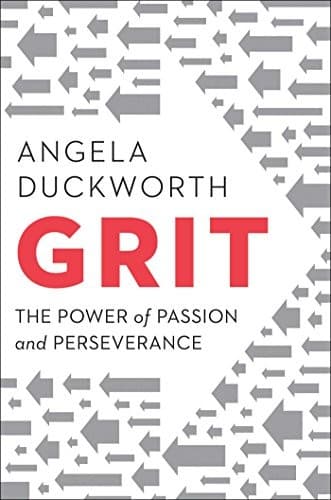
Cover of Grit by Angela Duckworth

At a glance

  1. 1
    Cover of Mindset by Carol S. Dweck
    Mindset by Carol S. Dweck
  2. 2
    Cover of Quiet by Susan Cain
    Quiet by Susan Cain
  3. 3
    Cover of Grit by Angela Duckworth
    Grit by Angela Duckworth
  4. 4
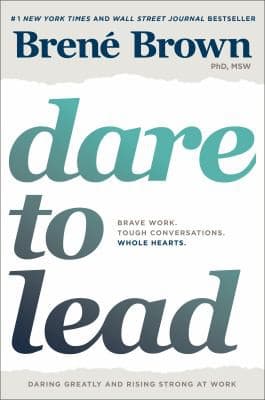
    Cover of Dare to Lead by Brené Brown
    Dare to Lead by Brené Brown
  5. 5
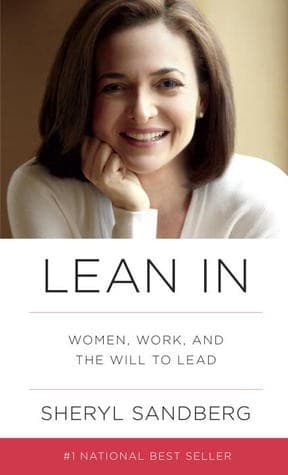
    Cover of Lean In by Sheryl Sandberg
    Lean In by Sheryl Sandberg
  6. 6
    Cover of Radical Candor by Kim Scott
    Radical Candor by Kim Scott
  7. 7
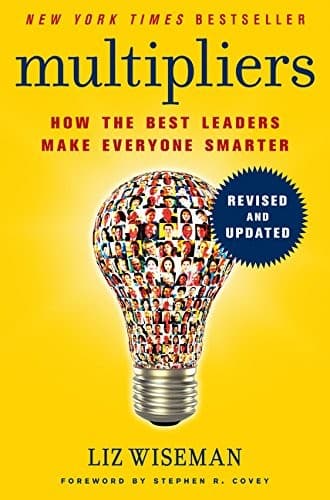
    Cover of Multipliers by Liz Wiseman
    Multipliers by Liz Wiseman
  8. 8
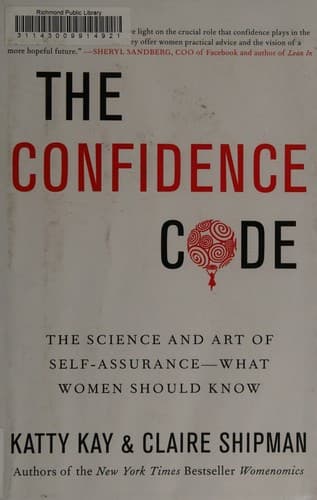
    Cover of The Confidence Code by Katty Kay
    The Confidence Code by Katty Kay
  9. 9
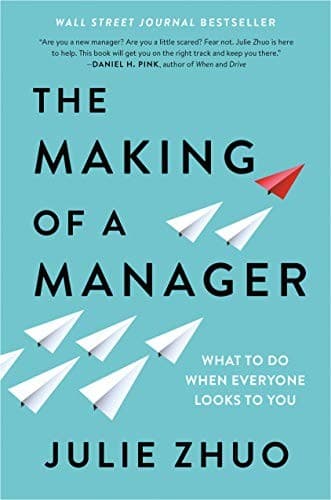
    Cover of The Making of a Manager by Julie Zhuo
    The Making of a Manager by Julie Zhuo
  10. 10
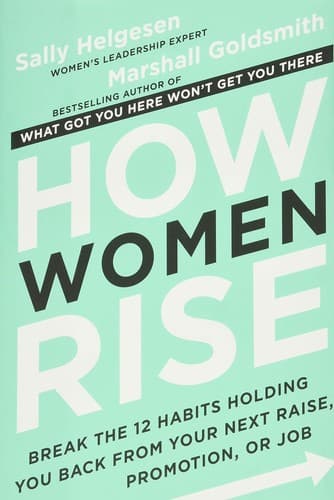
    Cover of How Women Rise by Sally Helgesen
    How Women Rise by Sally Helgesen
  11. 11
    Cover of Playing Big by Tara Mohr
    Playing Big by Tara Mohr
  12. 12
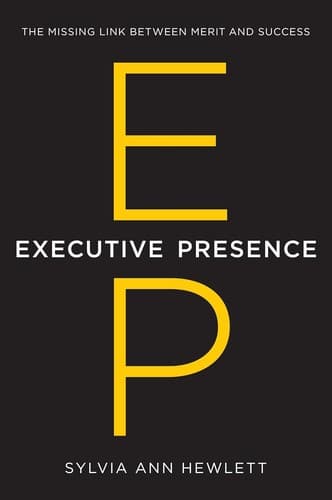
    Cover of Executive Presence by Sylvia Ann Hewlett
    Executive Presence by Sylvia Ann Hewlett
  13. 13
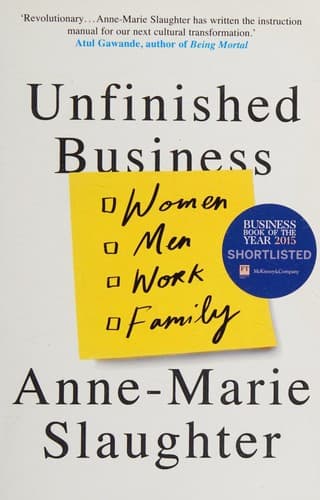
    Cover of Unfinished Business by Anne-Marie Slaughter
    Unfinished Business by Anne-Marie Slaughter
  14. 14Nice Girls Don't Get the Corner Office by Lois P. Frankel
  15. 15Own It by Sallie Krawcheck
Cover of Mindset by Carol S. Dweck

#1

Mindset

Carol S. Dweck · 2006

4.7 on Amazon35k reviews5.4k searches a monthAbout 6 hours to read

Psychologist argues that believing abilities can be developed, rather than fixed, shapes success in work, school, and relationships.

Carol Dweck, a psychologist, contrasts two outlooks. A fixed mindset treats talent as a set quantity to be proven, while a growth mindset sees ability as something built through effort, learning, and feedback. She draws on her research and examples from school, sports, business, and relationships to show how each outlook changes responses to failure, challenge, and criticism. Readers come away with ways to spot their own mindset, shift it, and encourage growth in children, students, and teams.

Key ideas

  • Believing ability is fixed leads people to avoid challenges and protect their image.
  • Growth-minded people treat failure and effort as information and routes to improvement.
  • Praise and feedback from parents, teachers, and managers can reinforce either mindset.

Best for

Parents, teachers, coaches, and managers wanting to foster resilience and learning in others and themselves.

View on Amazon


Cover of Quiet by Susan Cain

#2

Quiet

Susan Cain · 2012

4.5 on Amazon36k reviews4.4k searches a monthAbout 7 hours to read

Argues that modern culture overvalues extroversion and shows why introverts' strengths deserve more recognition at work, school, and home.

Susan Cain traces how Western, especially American, culture came to prize outgoing, assertive personalities, and what that bias costs us. Drawing on psychology, neuroscience, and portraits of real people, she shows that introverts often excel at listening, deep focus, and careful thinking. She questions group-heavy workplaces and schools, and offers practical guidance on leading, parenting, and relationships. Readers come away with a more respectful view of temperament and tools for working with their own.

Key ideas

  • The Extrovert Ideal rose in the twentieth century and shaped business and schooling.
  • Introverts and extroverts differ in how they respond to stimulation, and both contribute.
  • Constant group work can suppress creativity; solitude and quiet focus often help it.

Best for

Introverts, managers, teachers, and parents wanting to understand and support quieter temperaments.

View on Amazon
Cover of Grit by Angela Duckworth

#3

Grit

Angela Duckworth · 2016

4.6 on Amazon21k reviews6.6k searches a monthAbout 7 hours to read

A psychologist argues that sustained passion and perseverance matter more than raw talent for long-term success.

Duckworth contends that outstanding achievement depends less on natural ability than on grit, which she describes as a combination of enduring passion and persistence toward long-term goals. Drawing on her research and examples from many fields, she explains how effort compounds over time and how interest, practice, purpose, and hope can be cultivated. Readers come away with a framework for pursuing difficult goals and for encouraging perseverance in children, students, employees, and themselves.

Key ideas

  • Effort counts twice: it builds skill and then turns skill into achievement.
  • Grit combines passion with perseverance, sustained over years rather than bursts.
  • Interest, deliberate practice, purpose, and hope help grit grow over time.

Best for

Parents, teachers, coaches, and managers interested in building perseverance and long-term motivation.

View on Amazon
Cover of Dare to Lead by Brené Brown

#4

Dare to Lead

Brené Brown · 2018

4.7 on Amazon23k reviews1.3k searches a monthAbout 6 hours to read

A practical case for courageous, vulnerable leadership built on empathy, trust, and honest conversation.

Brown argues that leadership is a matter of taking responsibility for people and ideas, not holding a title. Drawing on her research on vulnerability, shame, and courage, she shows how leaders can build cultures where people speak candidly and take risks. She treats courage as a set of teachable skills, including curiosity, clear communication, and living by your values. Readers come away with concrete practices for handling hard conversations and building trust on their teams.

Key ideas

  • Leadership comes from caring about people and potential, not from rank or status.
  • Vulnerability is the foundation of courage, trust, and honest work, not a weakness.
  • Clear values and skill-building help leaders stay brave under pressure and uncertainty.

Best for

Managers and team leaders wanting to build trust and handle difficult conversations well.

View on Amazon
Cover of Lean In by Sheryl Sandberg

#5

Lean In

Sheryl Sandberg · 1799

4.5 on Amazon18k reviews5.4k searches a monthAbout 6 hours to read

Sandberg explains why women remain underrepresented in leadership and how they can pursue ambitious careers.

Sandberg argues that women's progress toward top roles has stalled because of both outside barriers and internal doubts that hold women back. Blending personal stories with research, she urges women to seek challenges, speak up, and find supportive mentors and partners. She also challenges the idea of having it all and calls on men and organizations to share responsibility. Readers come away with practical career habits and a clearer view of how bias operates.

Key ideas

  • Internal barriers, like self-doubt and hesitancy, can compound external workplace bias.
  • A truly supportive life partner can shape how far a career goes.
  • Women should pursue opportunities and take risks rather than quietly stepping back early.

Best for

Early and mid-career professionals, especially women, weighing ambition, leadership, and family tradeoffs.

View on Amazon
Cover of Radical Candor by Kim Scott

#6

Radical Candor

Kim Scott · 2017

4.5 on Amazon10k reviews2.9k searches a monthAbout 6 hours to read

A management guide arguing great bosses combine personal care with direct challenge in everyday feedback.

Kim Scott argues that good leadership rests on two habits practiced together: caring about people as individuals and being willing to tell them hard truths. Using a simple two-axis framework, she shows how bosses fail when they lean too far toward either niceness or bluntness. Readers come away with a practical way to give and invite praise and criticism, build trust with their teams, and keep a focus on results without losing their humanity.

Key ideas

  • Care Personally and Challenge Directly must work together, not trade off.
  • Avoiding hard conversations out of kindness often harms people more than honesty does.
  • Leaders should invite criticism of themselves first to build a real feedback culture.

Best for

New and experienced managers who want better feedback habits and stronger team relationships.

View on Amazon
Cover of Multipliers by Liz Wiseman

#7

Multipliers

Liz Wiseman · 2010

4.7 on Amazon3k reviews2.4k searches a monthAbout 6 hours to read

Contrasts leaders who amplify their teams' intelligence with those who drain it, and how to become the former.

Wiseman argues that leaders fall along a spectrum. Diminishers hoard authority and shrink the contributions of others, while Multipliers draw out and extend the abilities already in their people. Based on her research with executives, she describes the habits that set Multipliers apart and offers practical ways to adopt them. Readers come away with a way to spot their own diminishing tendencies and methods for getting better results from existing talent.

Key ideas

  • Multipliers get far more from people by tapping capability others leave unused.
  • Well-meaning leaders can be accidental diminishers through habits like micromanaging or always having the answer.
  • Five disciplines define Multipliers: attracting talent, liberating, challenging, debating, and investing in others.

Best for

Managers and executives who want better results from their teams without simply demanding more.

View on Amazon
Cover of The Confidence Code by Katty Kay

#8

The Confidence Code

Katty Kay · 2014

4.7 on Amazon2.9k reviews1.9k searches a monthAbout 5 hours to read

Explores why capable women lack confidence and how they can build it to advance their careers.

Claire Shipman and Katty Kay argue that confidence, not competence, explains much of the gap between women's qualifications and their presence at the top. Drawing on research in genetics, psychology, and neuroscience, plus interviews and personal stories, they show that confidence is partly inherited but largely buildable. The takeaway is practical: women can act more boldly, take risks, tolerate failure, and stop overthinking, rather than waiting to feel ready.

Key ideas

  • Confidence is closely tied to action, so taking risks helps build it.
  • Both biology and environment shape confidence, but habits can change it.
  • Perfectionism and overthinking hold capable women back more than lack of ability.

Best for

Women professionals, managers, and mentors seeking research-backed ways to build self-assurance at work.

View on Amazon
Cover of The Making of a Manager by Julie Zhuo

#9

The Making of a Manager

Julie Zhuo · 2019

4.6 on Amazon5.9k reviews480 searches a monthAbout 6 hours to read

A practical, approachable guide to learning management, written by a former Facebook design executive who started as a rookie manager.

Julie Zhuo argues that good managers are developed through practice, not born with special talent. Drawing on her own path from nervous first-time manager at a young age to leading large teams, she covers the core of the job: running one-on-ones, giving feedback, hiring, building team culture, and growing people. Short chapters, plain language, and illustrations make it an easy starting point for anyone new to leading others.

Key ideas

  • Management skill is learned over time through deliberate practice and reflection.
  • A manager's purpose is to get better outcomes by supporting and growing the team.
  • Trust and honest feedback with reports matter more than authority or title.

Best for

First-time managers and aspiring leaders wanting a plainspoken, practical introduction to people management.

View on Amazon
Cover of How Women Rise by Sally Helgesen

#10

How Women Rise

Sally Helgesen · 2018

4.7 on Amazon3k reviews260 searches a monthAbout 5 hours to read

Identifies twelve habits that help women early on but can stall their advancement into leadership.

Helgesen and Goldsmith argue that behaviors which earn women success early in their careers, such as diligence, modesty, and collaboration, can become obstacles at senior levels. Drawing on their coaching work with high achievers, they name twelve habits that hold women back and offer practical ways to change them. The takeaway is that rising requires self-awareness about blind spots and a deliberate shift in how you work, get noticed, and use your relationships.

Key ideas

  • Habits that fueled early success can quietly limit advancement later in a career.
  • Moving up means delegating more and letting go of excessive attention to detail.
  • Networks and teamwork pay off only when you claim credit and use connections strategically.

Best for

Mid-career women professionals who want to reach senior leadership and suspect something is holding them back.

View on Amazon
Cover of Playing Big by Tara Mohr

#11

Playing Big

Tara Mohr · 2014

4.7 on Amazon1.5k reviews260 searches a monthAbout 6 hours to read

A guide to helping women quiet self-doubt, trust their inner wisdom, and pursue bigger work.

Mohr argues that many capable women hold back because of self-doubt, fear of criticism, and habits of seeking approval, not because of a lack of talent. She offers ways to tell the inner critic apart from a wiser inner voice, to handle both praise and criticism with more freedom, and to take action despite fear. Readers come away with practical exercises for speaking up, sharing their work, and defining ambition on their own terms.

Key ideas

  • The inner critic is loud but unreliable, while a wiser inner voice can guide action.
  • Criticism and praise can both distract you from your own judgment and goals.
  • Fear is normal, so aim to act alongside it rather than wait for it to vanish.

Best for

Women professionals and aspiring leaders who feel held back by self-doubt or perfectionism.

View on Amazon
Cover of Executive Presence by Sylvia Ann Hewlett

#12

Executive Presence

Sylvia Ann Hewlett · 1732

4.2 on Amazon1k reviews590 searches a monthAbout 1 hour to read

A research-based guide to the traits that make leaders seem credible, ready, and worth promoting.

Hewlett argues that talent and hard work are not enough to advance, because senior decision makers also judge whether you look and sound like a leader. Drawing on survey research, she breaks executive presence into three parts: gravitas, communication, and appearance. She also shows how expectations can differ for women, minorities, and people from different backgrounds, and offers practical ways to build presence deliberately.

Key ideas

  • Executive presence is a learnable skill set, not a fixed personality trait.
  • Gravitas, communication, and appearance together shape how leaders are perceived.
  • Women and minorities often face narrower, harsher standards when others judge their presence.

Best for

Ambitious professionals who feel their results are not translating into promotions or influence.

View on Amazon
Cover of Unfinished Business by Anne-Marie Slaughter

#13

Unfinished Business

Anne-Marie Slaughter · 2015

4.3 on Amazon397 reviews320 searches a monthAbout 7 hours to read

A former State Department official argues that true equality requires valuing caregiving as much as career achievement.

Slaughter builds on her Atlantic essay to argue that the women's movement has focused too narrowly on getting women into top jobs while undervaluing care work. She contends that society must treat caregiving for children and relatives as a legitimate, respected part of life for both men and women. Readers come away with a reframed view of work-life conflict, a case for workplace and policy change, and practical thinking about how individuals and employers can act.

Key ideas

  • Caregiving deserves the same social and economic respect as paid professional work.
  • Equality is incomplete if it only helps women who resemble male career achievers.
  • Men must share care roles, and workplaces and policy must support that shift.

Best for

Professionals, managers, and policy-minded readers rethinking gender, careers, and family responsibilities.

View on Amazon

Nice Girls Don't Get the Corner Office

Lois P. Frankel

#14

Nice Girls Don't Get the Corner Office

Lois P. Frankel · 2004

4.5 on Amazon2.8k reviewsAbout 7 hours to read

Identifies unconscious habits that hold professional women back and offers ways to change them.

Lois Frankel, an executive coach, argues that many women carry behaviors learned in childhood that quietly undermine their careers, even when those habits seem polite or helpful. The book catalogs these mistakes across areas such as communication, image, and workplace relationships, then suggests alternatives. Readers take away greater self-awareness and practical coaching-style tips for presenting themselves with more authority, though some critics find its premise that women must adapt controversial.

Key ideas

  • Habits taught to girls early can limit advancement in professional settings.
  • Small behaviors in speech, appearance, and self-promotion shape how leaders are perceived.
  • Awareness comes first, then deliberate practice of new, more assertive behaviors.

Best for

Early or mid-career women seeking coaching-style advice on presence, assertiveness, and advancement.

View on Amazon

Own It

Sallie Krawcheck

#15

Own It

Sallie Krawcheck · 2017

4.4 on Amazon229 reviews90 searches a monthAbout 5 hours to read

A former Wall Street executive argues women succeed by leaning into their strengths, not imitating men.

Sallie Krawcheck challenges the idea that women must act more like men to advance. Drawing on her years in senior Wall Street roles and her research background, she argues that traits often associated with women, such as long-term thinking, empathy, and a careful approach to risk, give companies real advantages. Readers take away a case that engaging women fully is good business, plus encouragement to bring their authentic selves to work and to expect employers to value them.

Key ideas

  • Advice telling women to act more like men sets them up to lose.
  • Traits like empathy, creativity, and long-term focus are competitive business strengths.
  • Companies that fully engage women tend to perform and serve customers better.

Best for

Women professionals and managers seeking a business-case argument for leading authentically.

View on Amazon

How we rank these books

We start from 16 books that practitioners widely recommend on the topic, then rank them by what readers actually do rather than by our taste:

  • Review volume (55%): the number of Amazon US ratings on the book's main listing.
  • Rating (20%): the average Amazon US star rating.
  • Search demand (25%): how many people search Google in the US for the book each month.

Volume and demand are log-scaled so a few mega-sellers don't drown out everything else. Publication year and page counts come from Open Library. Summaries are our own, written from each book's catalog description. We don't take payment for placement.

From reader to author

Every book on this list started as one expert's know-how. Yours could be next.

BOOKED shows how experts turn what they know into a book that brings in clients. Rather not write it yourself? We can write it with you.

Questions about leadership for women books

Answers drawn from the data behind this list.

Browse all book lists
By reader data, Mindset by Carol S. Dweck ranks first, with 35k Amazon reviews and a 4.7 star rating. Quiet and Grit follow. Psychologist argues that believing abilities can be developed, rather than fixed, shapes success in work, school, and relationships.

More business book lists