The 15 best negotiation books, ranked by reader data

The negotiation books that deal makers, founders and consultants recommend, from salary talks to boardroom deals, ranked by reader data. Updated October 2026.

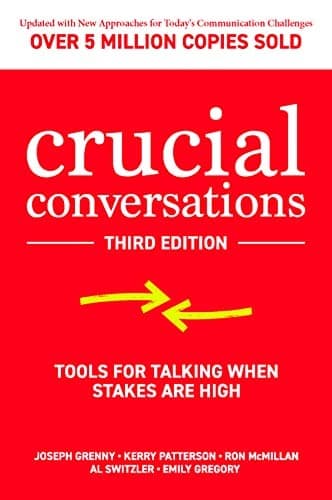
Cover of Crucial Conversations by Joseph Grenny
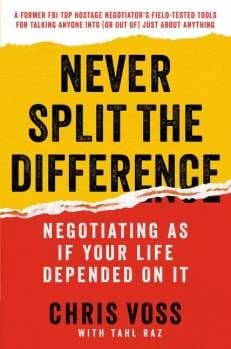
Cover of Never Split the Difference by Chris Voss
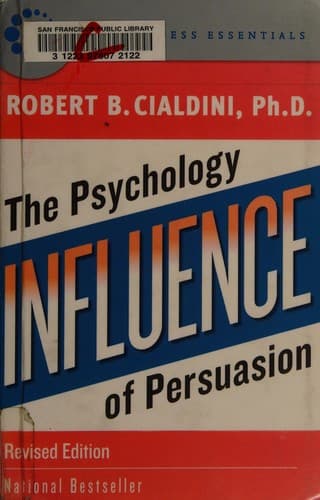
Cover of Influence: The Psychology of Persuasion by Robert B. Cialdini

At a glance

  1. 1
    Cover of Never Split the Difference by Chris Voss
    Never Split the Difference by Chris Voss
  2. 2
    Cover of Crucial Conversations by Joseph Grenny
    Crucial Conversations by Joseph Grenny
  3. 3
    Cover of Influence: The Psychology of Persuasion by Robert B. Cialdini
    Influence: The Psychology of Persuasion by Robert B. Cialdini
  4. 4
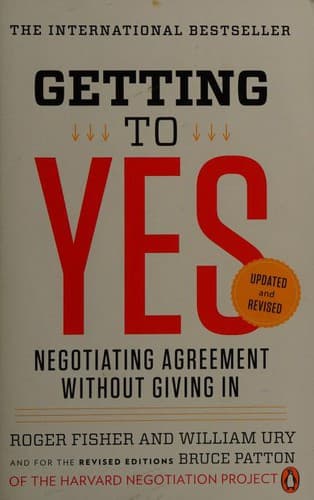
    Cover of Getting to Yes by Roger Fisher
    Getting to Yes by Roger Fisher
  5. 5
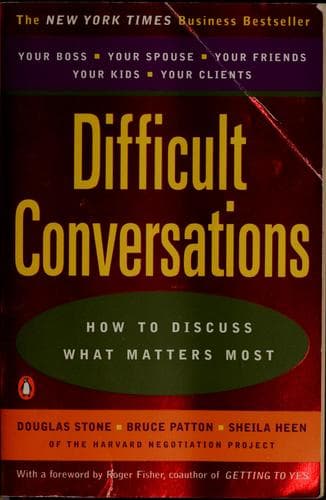
    Cover of Difficult Conversations by Douglas Stone
    Difficult Conversations by Douglas Stone
  6. 6
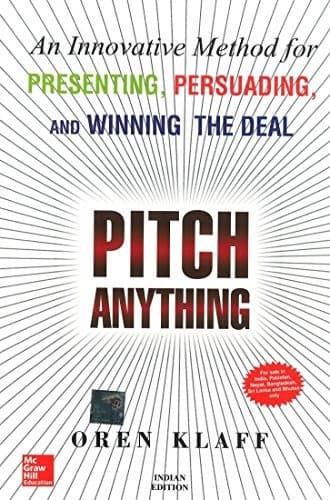
    Cover of Pitch Anything by Oren Klaff
    Pitch Anything by Oren Klaff
  7. 7
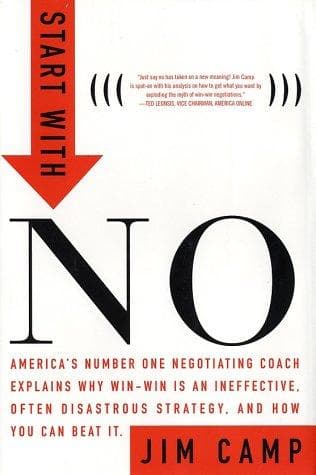
    Cover of Start with No by Jim Camp
    Start with No by Jim Camp
  8. 8
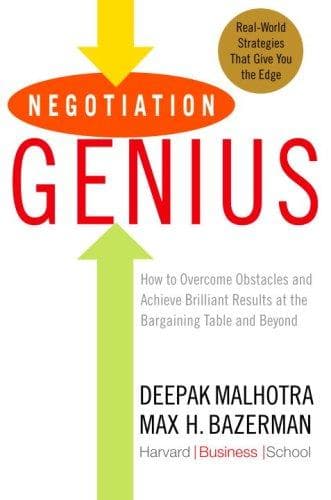
    Cover of Negotiation Genius by Deepak Malhotra
    Negotiation Genius by Deepak Malhotra
  9. 9
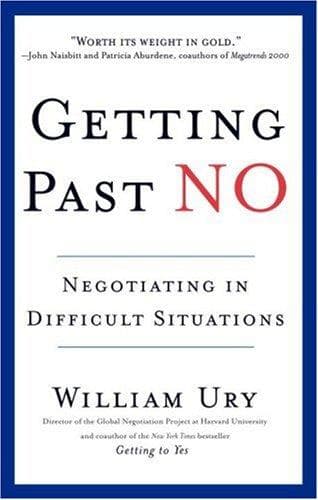
    Cover of Getting Past No by William Ury
    Getting Past No by William Ury
  10. 10
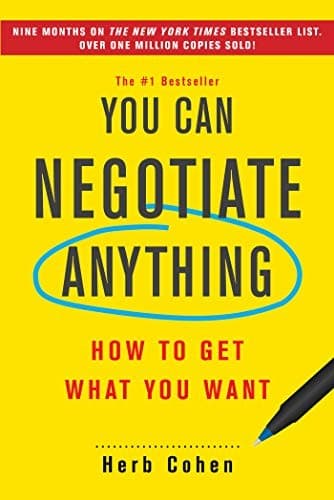
    Cover of You Can Negotiate Anything by Herb Cohen
    You Can Negotiate Anything by Herb Cohen
  11. 11
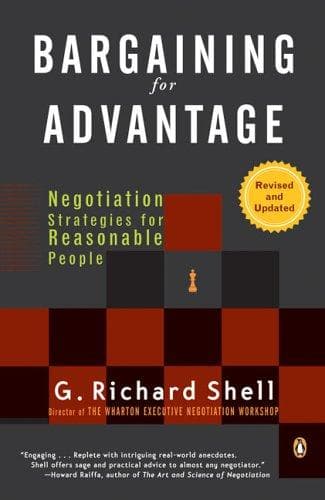
    Cover of Bargaining for Advantage by G. Richard Shell
    Bargaining for Advantage by G. Richard Shell
  12. 12
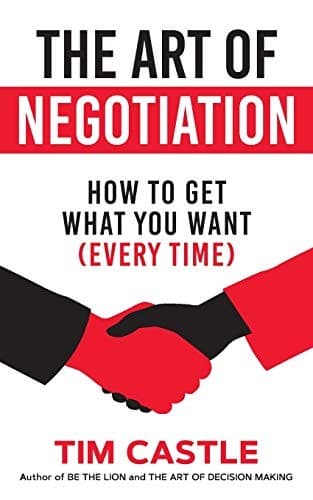
    Cover of The Art of Negotiation by Michael Wheeler
    The Art of Negotiation by Michael Wheeler
  13. 13
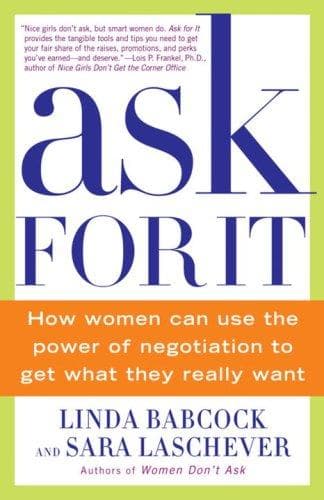
    Cover of Ask For It by Linda Babcock
    Ask For It by Linda Babcock
  14. 14
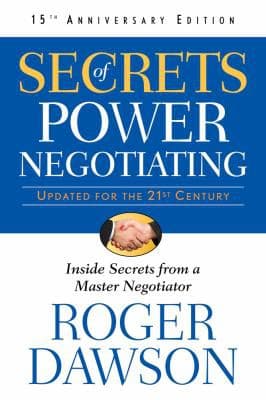
    Cover of Secrets of Power Negotiating by Roger Dawson
    Secrets of Power Negotiating by Roger Dawson
  15. 15
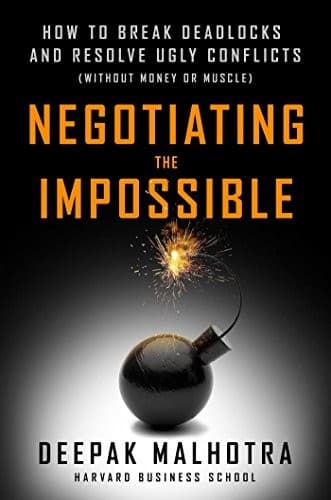
    Cover of Negotiating the Impossible by Deepak Malhotra
    Negotiating the Impossible by Deepak Malhotra
Cover of Never Split the Difference by Chris Voss

#1

Never Split the Difference

Chris Voss · 2016

4.7 on Amazon52k reviews4.4k searches a monthAbout 6 hours to read

A former FBI hostage negotiator adapts crisis negotiation tactics for business and everyday life.

Chris Voss argues that good negotiation is less about logic and compromise than about understanding emotions and building trust. Drawing on his FBI career and later teaching, he presents practical communication techniques for uncovering what the other side really wants and steering talks toward better outcomes. Readers come away with concrete tools for salary talks, deals, purchases, and personal conflicts, plus a mindset that treats negotiation as a skill anyone can practice.

Key ideas

  • Tactical empathy means understanding the other side's feelings and perspective to influence them.
  • Mirroring and labeling encourage people to open up and reveal their real concerns.
  • Open-ended questions let the other party solve your problem and feel in control.

Best for

Professionals, managers, and salespeople who want practical negotiation tactics for work and daily life.

View on Amazon
Cover of Crucial Conversations by Joseph Grenny

#2

Crucial Conversations

Joseph Grenny · 2001

4.6 on Amazon12k reviews22k searches a monthAbout 5 hours to read

A practical guide to staying effective in high-stakes, emotionally charged conversations at work and home.

The authors argue that the most important moments in careers and relationships hinge on conversations where stakes are high, opinions differ, and emotions run hot. Most people either avoid these talks or handle them poorly. The book teaches skills for staying calm, creating psychological safety so others can speak openly, sharing your views without aggression, and listening when others get defensive. Readers come away with a repeatable approach for turning difficult discussions into agreement and follow-through.

Key ideas

  • Dialogue works when people feel safe enough to share honest views openly.
  • Start with your own motives and keep your focus on what you really want.
  • Silence and verbal attacks are common stress reactions that can be recognized and countered.

Best for

Managers, professionals, and anyone who dreads confrontation or struggles to speak candidly under pressure.

View on Amazon
Cover of Influence: The Psychology of Persuasion by Robert B. Cialdini

#3

Influence: The Psychology of Persuasion

Robert B. Cialdini · 1983

4.5 on Amazon13k reviews3.6k searches a monthAbout 6 hours to read

A research-based look at why people comply, and how to use or resist persuasion.

Cialdini draws on experiments and his own undercover observation of salespeople, fundraisers, and marketers to explain why people say yes. He organizes the findings into six principles of influence that work largely by triggering mental shortcuts. Readers learn to recognize these levers in advertising, sales, and everyday requests, apply them ethically in their own work, and spot manipulation before it succeeds. The book is vivid, example-heavy, and practical.

Key ideas

  • Six core principles drive most compliance: reciprocity, commitment, social proof, liking, authority, and scarcity.
  • People rely on automatic shortcuts, which professionals can exploit when we are busy or unsure.
  • Understanding these triggers helps you persuade ethically and defend against manipulation.

Best for

Marketers, salespeople, managers, and curious general readers interested in the psychology of everyday decisions.

View on Amazon
Cover of Getting to Yes by Roger Fisher

#4

Getting to Yes

Roger Fisher · 1981

4.5 on Amazon12k reviews1.9k searches a monthAbout 4 hours to read

A practical method for negotiating agreements that satisfy both sides without damaging relationships or resorting to bargaining battles.

Fisher and Ury argue that haggling over fixed positions produces poor outcomes and strained relationships. They propose principled negotiation, a method that treats the process as joint problem solving. Readers learn to handle people and substance separately, uncover the real needs behind demands, generate several options before deciding, and judge deals against objective standards. The book also explains how to prepare a fallback and respond when the other side is stronger or uncooperative.

Key ideas

  • Treat the people and the problem as separate issues
  • Look past stated positions to the interests underneath them
  • Judge outcomes by fair, objective criteria and know your best alternative

Best for

Managers, professionals, and anyone facing deals or disputes who wants cooperative, lasting agreements.

View on Amazon
Cover of Difficult Conversations by Douglas Stone

#5

Difficult Conversations

Douglas Stone · 1999

4.6 on Amazon3.9k reviews3.6k searches a monthAbout 5 hours to read

A practical guide to handling emotionally charged talks by understanding what is really happening beneath them.

Drawing on research from the Harvard Negotiation Project, the authors argue that hard conversations go wrong because people argue over who is right instead of exploring how each side sees the situation. They show that every tough exchange has several layers, including facts, feelings, and identity. Readers learn to listen better, share their own view without blame, and shift toward joint problem solving. The book uses many everyday case examples from work and family life.

Key ideas

  • Every difficult conversation mixes a dispute over facts, strong emotions, and a threat to identity.
  • Shift from blaming and judging to understanding how each person's contribution shaped the problem.
  • Open with a learning stance, then describe your view and invite the other person's.

Best for

Managers, professionals, and anyone avoiding a hard talk with a colleague, partner, or relative.

View on Amazon
Cover of Pitch Anything by Oren Klaff

#6

Pitch Anything

Oren Klaff · 2011

4.6 on Amazon3.9k reviews1k searches a monthAbout 4 hours to read

A pitching method built on how the brain processes status, novelty, and threat in high-stakes persuasion.

Klaff argues that pitches succeed or fail based on how the listener's primitive brain reacts, not on the quality of your slides or logic. He teaches that controlling the frame, meaning the social dynamic of the meeting, matters most. His STRONG sequence guides you from establishing frame through story, intrigue, and prize to a clear decision. Readers take away tactics for holding attention, signaling confidence, and avoiding the needy behavior that weakens their position.

Key ideas

  • Pitches are won by managing frames and status, not by piling on information.
  • The older, emotional parts of the brain filter ideas before logic engages.
  • STRONG gives a step-by-step structure from opening frame to securing a decision.

Best for

Founders, salespeople, and professionals who regularly pitch investors, clients, or executives and want a structured approach.

View on Amazon
Cover of Start with No by Jim Camp

#7

Start with No

Jim Camp · 2002

4.6 on Amazon1.4k reviews720 searches a monthAbout 5 hours to read

A negotiation guide arguing you should invite refusal and drop attachment to outcomes.

Jim Camp argues that traditional win-win negotiating pushes people into neediness and concessions. He recommends letting counterparts say no early, which makes them feel safe and in control, and which brings real concerns into the open. The book teaches negotiators to focus on their own behavior, ask good questions, set a clear mission and agenda, and avoid emotional dependence on any deal. Readers take away a disciplined, counterintuitive approach to bargaining.

Key ideas

  • Welcoming a no lowers pressure and exposes the other side's true position.
  • Detach emotionally from outcomes so neediness does not weaken your bargaining.
  • Prepare a clear mission, goals, and agenda, and guide the process with questions.

Best for

Sales professionals and business negotiators seeking a contrarian, behavior-focused alternative to compromise-driven bargaining.

View on Amazon
Cover of Negotiation Genius by Deepak Malhotra

#8

Negotiation Genius

Deepak Malhotra · 2007

4.6 on Amazon1.2k reviews390 searches a monthAbout 7 hours to read

A practical, research-based guide to preparing for and conducting negotiations, including against tougher or more powerful opponents.

Malhotra and Bazerman combine behavioral research with executive-education experience to show that strong negotiators succeed through disciplined thinking, not charm. The book covers preparing thoroughly, understanding the other side's interests and alternatives, finding trades that create value, and spotting psychological traps. It also offers tactics for handling hardball moves, deception, and weak bargaining positions, and it argues for ethical dealing. Readers finish with a clearer framework and a usable plan for their next negotiation.

Key ideas

  • Careful preparation, including knowing your alternatives and the other side's, drives better outcomes.
  • Look beyond price to uncover shared interests and trades that enlarge the deal.
  • Common cognitive biases and hardball tactics can be anticipated and countered.

Best for

Managers, dealmakers, and professionals wanting a research-grounded, practical approach to everyday and high-stakes negotiations.

View on Amazon
Cover of Getting Past No by William Ury

#9

Getting Past No

William Ury · 1991

4.6 on Amazon1.1k reviews390 searches a monthAbout 3 hours to read

A practical strategy for turning resistant, hostile counterparts into cooperative partners in negotiation.

Ury argues that difficult negotiators are best met with indirect, calm tactics rather than force or retaliation. He lays out a five-step approach: manage your own reactions, build rapport with the other side, reframe their positions as joint problem solving, make it easy for them to say yes, and use power to educate rather than to coerce. Readers come away with a repeatable method for handling anger, stonewalling, and dirty tricks while protecting the relationship.

Key ideas

  • Pause and control your own reactions before responding to pressure or attacks.
  • Step to their side by listening and acknowledging before trying to persuade.
  • Reframe positional demands as shared problems to be solved together.

Best for

Managers, salespeople, and professionals who regularly face stubborn, angry, or manipulative counterparts at work.

View on Amazon
Cover of You Can Negotiate Anything by Herb Cohen

#10

You Can Negotiate Anything

Herb Cohen · 1980

4.4 on Amazon1.5k reviews320 searches a monthAbout 5 hours to read

A practical guide to treating everyday life as negotiation and learning to win favorable outcomes.

Cohen argues that negotiation is not a special event but a constant part of life, from family disputes to business deals. He presents it as a skill anyone can learn by understanding how people think. The book stresses that outcomes depend on how the parties perceive power, time, and information, and that caring less about any single result often strengthens your position. Readers come away with a confident, flexible mindset and a practical approach to bargaining.

Key ideas

  • Power in negotiation is largely a matter of perception, so you can shape it.
  • Information, time, and power are the central levers in most negotiations.
  • Stay detached from the outcome and aim for solutions that satisfy both sides.

Best for

General readers and professionals wanting an approachable, anecdotal introduction to everyday negotiating.

View on Amazon
Cover of Bargaining for Advantage by G. Richard Shell

#11

Bargaining for Advantage

G. Richard Shell · 1999

4.5 on Amazon930 reviews320 searches a monthAbout 6 hours to read

A practical, research-based guide to preparing for and conducting business negotiations using your own strengths.

Shell argues that strong negotiation comes from preparation, self-awareness, and a clear strategy, not from tricks or aggression. He blends stories with research on persuasion, ethics, and psychology to show how to plan, read the other side, and influence outcomes. Readers learn to assess their own style, avoid common traps, and adapt to online, cross-gender, and cross-cultural settings.

Key ideas

  • Negotiation is a learnable process that rewards preparation more than charisma or bluster.
  • Knowing your own temperament and style helps you play to strengths and fix weaknesses.
  • Persuasion and ethical judgment matter, and cultural, gender, and online contexts change how talks unfold.

Best for

Managers, professionals, and deal-makers wanting a structured, research-grounded approach to everyday business negotiation.

View on Amazon
Cover of The Art of Negotiation by Michael Wheeler

#12

The Art of Negotiation

Michael Wheeler · 2013

4.6 on Amazon502 reviews390 searches a monthAbout 6 hours to read

Argues that negotiation is unpredictable, so success depends on adapting and improvising rather than following a script.

Wheeler challenges the idea that negotiation follows a tidy, step-by-step plan. Real talks are shaped by surprises, shifting information and changing relationships, so rigid preparation can fail. He argues that skilled negotiators prepare thoughtfully but stay flexible, read the situation as it develops, and adjust their approach. Readers come away with a more adaptive mindset and a way to handle uncertainty, setbacks and unexpected openings at the table.

Key ideas

  • Negotiations rarely unfold as planned, so adaptability matters as much as preparation.
  • Treat a negotiation as a process of experimenting, observing and adjusting as you go.
  • Good negotiators stay alert to new information and shifting relationships during talks.

Best for

Managers, dealmakers and professionals who face uncertain, fast-changing negotiations and want a flexible approach.

View on Amazon
Cover of Ask For It by Linda Babcock

#13

Ask For It

Linda Babcock · 2008

4.6 on Amazon344 reviews320 searches a monthAbout 6 hours to read

A practical negotiation guide teaching women to ask for what they deserve and prepare effectively.

A follow-up to Women Don't Ask, this book turns research into a practical program for women who hesitate to negotiate on their own behalf. The authors argue that asking is essential and that preparation matters as much as the bargaining itself. Readers learn to assess their worth, build leverage, choose a strategy, and handle emotional reactions on both sides, using a cooperative style that draws on their own strengths and applies at work and at home.

Key ideas

  • Many women negotiate well for others but hold back when asking for themselves.
  • Strong negotiation begins well before the conversation, with research on your value and options.
  • A collaborative, problem-solving style can win agreements that benefit both parties.

Best for

Women professionals who avoid negotiating and want a structured, step-by-step method for asking.

View on Amazon
Cover of Secrets of Power Negotiating by Roger Dawson

#14

Secrets of Power Negotiating

Roger Dawson · 1989

4.6 on Amazon599 reviews30 searches a monthAbout 6 hours to read

A practical guide to negotiating well, so you get results while the other side feels satisfied.

Roger Dawson presents negotiation as a learnable skill built on strategy, preparation, and an understanding of the other party. He covers the full arc of a negotiation, from opening moves to closing, and explains how to spot unethical tactics and respond. The book aims for outcomes in which both sides feel they won, and it applies the same principles to business, management, sales, and family life. Readers come away with usable tactics and a sharper sense of leverage.

Key ideas

  • Negotiation is a skill with learnable strategies, not a matter of natural talent.
  • Understanding the other party's needs and pressure points gives you leverage.
  • Good deals leave the other side feeling they won, too.

Best for

Managers, salespeople, and business owners wanting practical negotiating tactics for everyday deals.

View on Amazon
Cover of Negotiating the Impossible by Deepak Malhotra

#15

Negotiating the Impossible

Deepak Malhotra · 2016

4.6 on Amazon409 reviewsAbout 4 hours to read

Practical advice for resolving deadlocks and bitter disputes when you lack leverage, money, or power.

Malhotra argues that even the toughest conflicts can be unstuck by changing how people negotiate, not by overpowering the other side. He stresses understanding the other party's perspective, managing emotions and perceptions, and shaping the process as carefully as the terms. Drawing on a range of real-world cases, the book shows readers how to defuse hostility, rebuild stalled talks, and find workable agreements where positions seem fixed.

Key ideas

  • The process and relationship often matter as much as the substance of the deal.
  • Understand why the other side behaves as it does before judging it as irrational.
  • Emotions, pride, and perceptions can block agreement even when the numbers work.

Best for

Managers, dealmakers, and mediators facing stalled talks or tense disputes with limited leverage.

View on Amazon

How we rank these books

We start from 15 books that practitioners widely recommend on the topic, then rank them by what readers actually do rather than by our taste:

  • Review volume (55%): the number of Amazon US ratings on the book's main listing.
  • Rating (20%): the average Amazon US star rating.
  • Search demand (25%): how many people search Google in the US for the book each month.

Volume and demand are log-scaled so a few mega-sellers don't drown out everything else. Publication year and page counts come from Open Library. Summaries are our own, written from each book's catalog description. We don't take payment for placement.

From reader to author

Every book on this list started as one expert's know-how. Yours could be next.

BOOKED shows how experts turn what they know into a book that brings in clients. Rather not write it yourself? We can write it with you.

Questions about negotiation books

Answers drawn from the data behind this list.

Browse all book lists
By reader data, Never Split the Difference by Chris Voss ranks first, with 52k Amazon reviews and a 4.7 star rating. Crucial Conversations and Influence: The Psychology of Persuasion follow. A former FBI hostage negotiator adapts crisis negotiation tactics for business and everyday life.

More business book lists