The 15 best management books, ranked by reader data

The management books new and experienced managers read to run better teams, ranked by reader data. Updated October 2026.

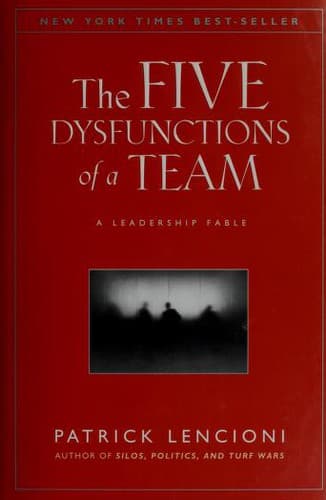
Cover of The Five Dysfunctions of a Team by Patrick Lencioni
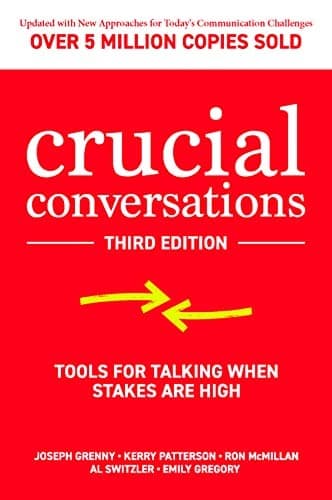
Cover of Crucial Conversations by Joseph Grenny
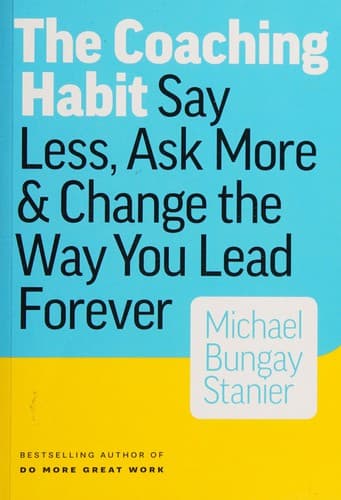
Cover of The Coaching Habit by Michael Bungay Stanier

At a glance

  1. 1
    Cover of Crucial Conversations by Joseph Grenny
    Crucial Conversations by Joseph Grenny
  2. 2
    Cover of The Five Dysfunctions of a Team by Patrick Lencioni
    The Five Dysfunctions of a Team by Patrick Lencioni
  3. 3
    Cover of The Coaching Habit by Michael Bungay Stanier
    The Coaching Habit by Michael Bungay Stanier
  4. 4
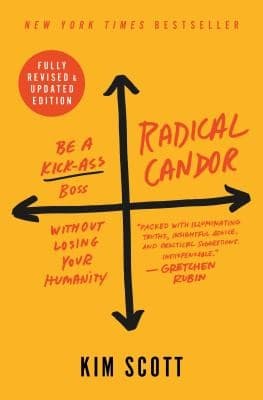
    Cover of Radical Candor by Kim Scott
    Radical Candor by Kim Scott
  5. 5
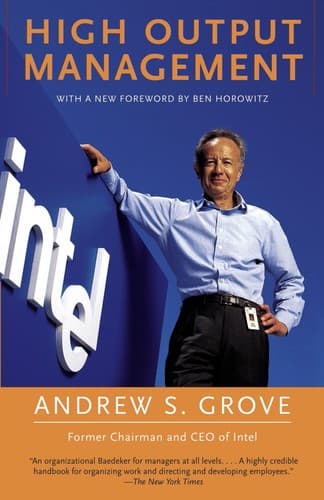
    Cover of High Output Management by Andrew S. Grove
    High Output Management by Andrew S. Grove
  6. 6
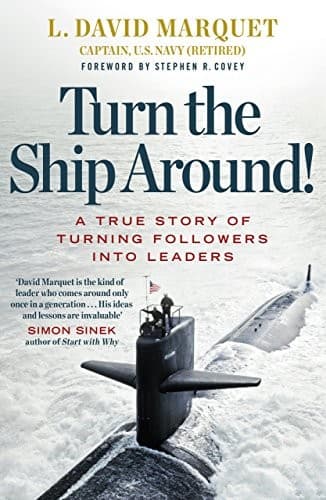
    Cover of Turn the Ship Around! by L. David Marquet
    Turn the Ship Around! by L. David Marquet
  7. 7
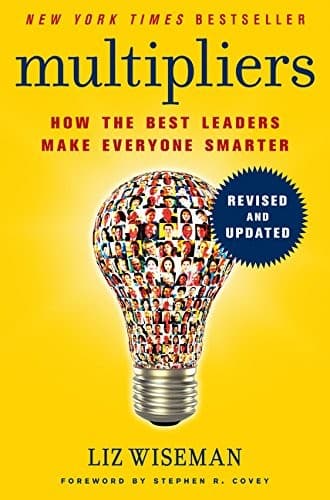
    Cover of Multipliers by Liz Wiseman
    Multipliers by Liz Wiseman
  8. 8
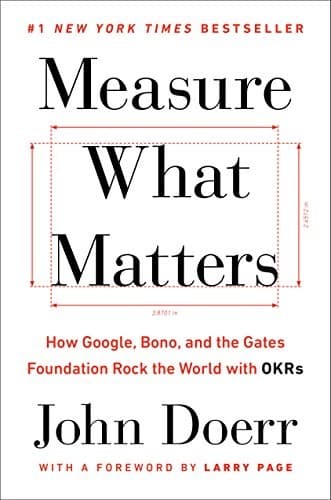
    Cover of Measure What Matters by John Doerr
    Measure What Matters by John Doerr
  9. 9
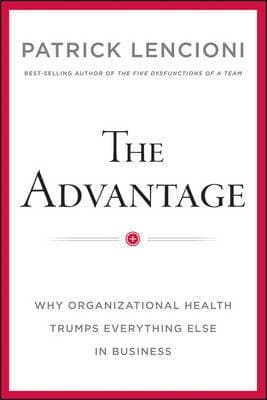
    Cover of The Advantage by Patrick Lencioni
    The Advantage by Patrick Lencioni
  10. 10
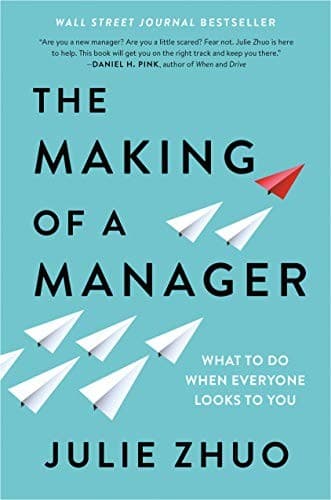
    Cover of The Making of a Manager by Julie Zhuo
    The Making of a Manager by Julie Zhuo
  11. 11The Effective Executive by Peter F. Drucker
  12. 12
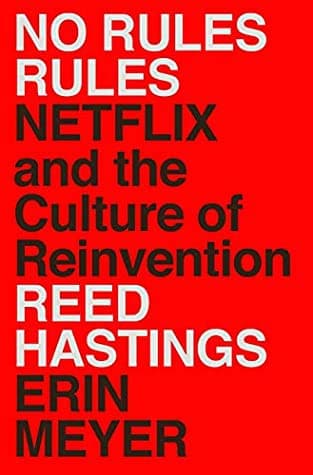
    Cover of No Rules Rules by Reed Hastings
    No Rules Rules by Reed Hastings
  13. 13
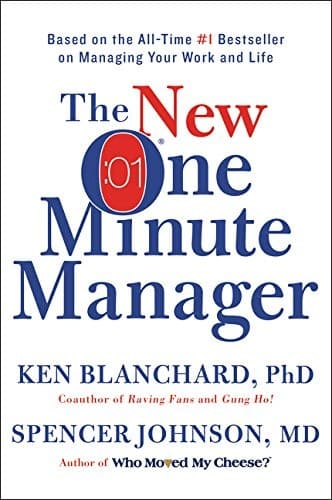
    Cover of The New One Minute Manager by Ken Blanchard
    The New One Minute Manager by Ken Blanchard
  14. 14
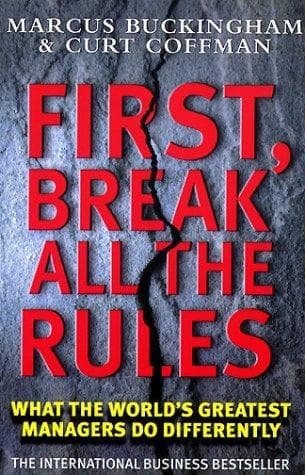
    Cover of First, Break All the Rules by Marcus Buckingham
    First, Break All the Rules by Marcus Buckingham
  15. 15
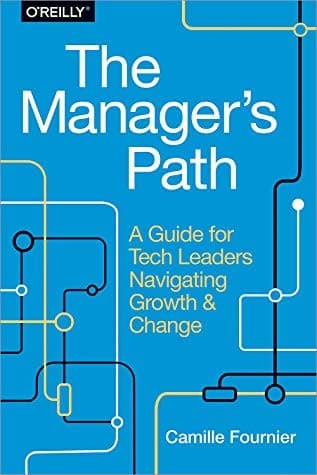
    Cover of The Manager's Path by Camille Fournier
    The Manager's Path by Camille Fournier
Cover of Crucial Conversations by Joseph Grenny

#1

Crucial Conversations

Joseph Grenny · 2001

4.6 on Amazon12k reviews22k searches a monthAbout 5 hours to read

A practical guide to staying effective in high-stakes, emotionally charged conversations at work and home.

The authors argue that the most important moments in careers and relationships hinge on conversations where stakes are high, opinions differ, and emotions run hot. Most people either avoid these talks or handle them poorly. The book teaches skills for staying calm, creating psychological safety so others can speak openly, sharing your views without aggression, and listening when others get defensive. Readers come away with a repeatable approach for turning difficult discussions into agreement and follow-through.

Key ideas

  • Dialogue works when people feel safe enough to share honest views openly.
  • Start with your own motives and keep your focus on what you really want.
  • Silence and verbal attacks are common stress reactions that can be recognized and countered.

Best for

Managers, professionals, and anyone who dreads confrontation or struggles to speak candidly under pressure.

View on Amazon
Cover of The Five Dysfunctions of a Team by Patrick Lencioni

#2

The Five Dysfunctions of a Team

Patrick Lencioni · 2005

4.6 on Amazon15k reviews8.1k searches a monthAbout 3 hours to read

A practical guide to diagnosing and fixing the five problems that keep teams from working well together.

Lencioni argues that teams fail because of a connected chain of problems: absence of trust, fear of conflict, lack of commitment, avoidance of accountability, and inattention to results. This guide, a companion to his leadership fable, turns that model into practice with assessments, exercises, and examples. Readers learn to judge whether they are truly a team, measure current health, and decide whether they will commit the effort needed to improve.

Key ideas

  • Team dysfunctions build on one another, with missing trust as the foundation.
  • Healthy, passionate debate is necessary for real commitment and better decisions.
  • Peers holding each other accountable works better than relying on managers alone.

Best for

Team leaders, managers, and consultants who want hands-on tools for building stronger teams.

View on Amazon
Cover of The Coaching Habit by Michael Bungay Stanier

#3

The Coaching Habit

Michael Bungay Stanier · 1905

4.5 on Amazon17k reviews3.6k searches a monthAbout 12 hours to read

A practical guide to building a coaching habit by asking better questions instead of giving advice.

Bungay Stanier argues that managers and leaders default to advice-giving and rescuing, which creates overwhelmed leaders and dependent teams. He proposes a simple alternative: stay curious a little longer and respond with a small set of well-chosen questions in everyday conversations. The book offers seven core questions and shows how to turn brief, routine exchanges into coaching moments. Readers come away with easy-to-use tools for building the habit, without formal coaching training.

Key ideas

  • Stay curious longer and rush to give advice less often.
  • A handful of simple questions can guide most work conversations.
  • Lasting behavior change comes from small, deliberate habits, not big training programs.

Best for

Managers and team leaders who want to delegate better and develop their people.

View on Amazon
Cover of Radical Candor by Kim Scott

#4

Radical Candor

Kim Scott · 2017

4.5 on Amazon10k reviews2.9k searches a monthAbout 6 hours to read

A management guide arguing great bosses combine personal care with direct challenge in everyday feedback.

Kim Scott argues that good leadership rests on two habits practiced together: caring about people as individuals and being willing to tell them hard truths. Using a simple two-axis framework, she shows how bosses fail when they lean too far toward either niceness or bluntness. Readers come away with a practical way to give and invite praise and criticism, build trust with their teams, and keep a focus on results without losing their humanity.

Key ideas

  • Care Personally and Challenge Directly must work together, not trade off.
  • Avoiding hard conversations out of kindness often harms people more than honesty does.
  • Leaders should invite criticism of themselves first to build a real feedback culture.

Best for

New and experienced managers who want better feedback habits and stronger team relationships.

View on Amazon
Cover of High Output Management by Andrew S. Grove

#5

High Output Management

Andrew S. Grove · 1983

4.6 on Amazon5.9k reviews2.4k searches a monthAbout 5 hours to read

Intel's former CEO explains how managers multiply their team's output using production principles.

Grove argues that a manager's job is to increase the output of the people and organizations under their influence. He borrows ideas from manufacturing, such as managing indicators, bottlenecks, and quality checks, and applies them to knowledge work. The book covers meetings, delegation, one-on-ones, performance reviews, and motivation. Readers come away with a practical, measurable way to think about managerial work as leverage rather than activity.

Key ideas

  • A manager's output equals the output of their team and neighboring teams.
  • Use indicators and measurable results to spot problems early, before they become failures.
  • Focus on high-leverage activities, such as coaching, meetings, and information sharing, to multiply results.

Best for

New and experienced managers wanting a practical, production-minded framework for leading teams effectively.

View on Amazon
Cover of Turn the Ship Around! by L. David Marquet

#6

Turn the Ship Around!

L. David Marquet · 2001

4.6 on Amazon8.3k reviews720 searches a monthAbout 5 hours to read

A former submarine captain explains how he turned a struggling crew into leaders by sharing control.

Marquet recounts taking command of the USS Santa Fe, a poorly performing nuclear submarine, and rejecting the traditional model in which leaders give orders and crews obey. He instead pushed decisions down to the people with the best information. The book argues that this improves morale, performance, and retention. Readers get a practical approach for building ownership, competence, and clarity on their own teams, with lessons that apply well beyond the military.

Key ideas

  • Replace the leader-follower model with one where everyone acts as a leader.
  • Move decision authority to the people closest to the information.
  • Build technical competence and organizational clarity so that delegated control works.

Best for

Managers and team leaders wanting to replace top-down command with employee initiative and ownership.

View on Amazon
Cover of Multipliers by Liz Wiseman

#7

Multipliers

Liz Wiseman · 2010

4.7 on Amazon3k reviews2.4k searches a monthAbout 6 hours to read

Contrasts leaders who amplify their teams' intelligence with those who drain it, and how to become the former.

Wiseman argues that leaders fall along a spectrum. Diminishers hoard authority and shrink the contributions of others, while Multipliers draw out and extend the abilities already in their people. Based on her research with executives, she describes the habits that set Multipliers apart and offers practical ways to adopt them. Readers come away with a way to spot their own diminishing tendencies and methods for getting better results from existing talent.

Key ideas

  • Multipliers get far more from people by tapping capability others leave unused.
  • Well-meaning leaders can be accidental diminishers through habits like micromanaging or always having the answer.
  • Five disciplines define Multipliers: attracting talent, liberating, challenging, debating, and investing in others.

Best for

Managers and executives who want better results from their teams without simply demanding more.

View on Amazon
Cover of Measure What Matters by John Doerr

#8

Measure What Matters

John Doerr · 2017

4.5 on Amazon10k reviews590 searches a monthAbout 6 hours to read

John Doerr explains the OKR goal-setting system and how companies like Google and Intel used it.

Doerr argues that organizations perform better when they set a small number of clear objectives and pair each with measurable key results. Drawing on his experience at Intel under Andy Grove and as an investor in Google, he uses case studies from many organizations to show how transparent, regularly reviewed goals sharpen focus, align teams, and expose what matters most. Readers get a practical picture of how OKRs work and why they succeed or fail.

Key ideas

  • Objectives state what you want; key results show measurable progress toward it.
  • Focusing on a few priorities beats pursuing many goals at once.
  • Sharing goals openly across the organization builds alignment and accountability.

Best for

Managers, founders, and team leaders wanting a structured way to set and track goals.

View on Amazon
Cover of The Advantage by Patrick Lencioni

#9

The Advantage

Patrick Lencioni · 2012

4.6 on Amazon4.2k reviews1.6k searches a monthAbout 5 hours to read

Argues that organizational health, not smarts or strategy, is the greatest and most overlooked competitive edge.

Lencioni contends that most companies pour effort into strategy, finance, and technology while neglecting health: whether leadership, culture, and operations are unified and free of politics and confusion. He lays out four disciplines for getting there: building a cohesive leadership team, creating clarity, communicating that clarity repeatedly, and reinforcing it through systems. Readers come away with a practical, jargon-light framework for diagnosing and improving how their organization functions.

Key ideas

  • Healthy organizations outperform smart ones because they avoid politics, confusion, and wasted effort.
  • A cohesive leadership team, built on trust and healthy conflict, is the foundation.
  • Leaders must create clarity, then repeat it constantly and build it into systems.

Best for

Executives and team leaders wanting a practical framework for aligning people and culture.

View on Amazon
Cover of The Making of a Manager by Julie Zhuo

#10

The Making of a Manager

Julie Zhuo · 2019

4.6 on Amazon5.9k reviews480 searches a monthAbout 6 hours to read

A practical, approachable guide to learning management, written by a former Facebook design executive who started as a rookie manager.

Julie Zhuo argues that good managers are developed through practice, not born with special talent. Drawing on her own path from nervous first-time manager at a young age to leading large teams, she covers the core of the job: running one-on-ones, giving feedback, hiring, building team culture, and growing people. Short chapters, plain language, and illustrations make it an easy starting point for anyone new to leading others.

Key ideas

  • Management skill is learned over time through deliberate practice and reflection.
  • A manager's purpose is to get better outcomes by supporting and growing the team.
  • Trust and honest feedback with reports matter more than authority or title.

Best for

First-time managers and aspiring leaders wanting a plainspoken, practical introduction to people management.

View on Amazon

The Effective Executive

Peter F. Drucker

#11

The Effective Executive

Peter F. Drucker · 1967

4.5 on Amazon3.7k reviews1.6k searches a monthAbout 3 hours to read

Effectiveness is a learnable discipline of habits that lets knowledge workers produce meaningful results.

Drucker argues that executive effectiveness is not a talent or personality trait but a set of practices anyone can learn. He focuses on managing time, directing effort toward contribution, building on strengths in oneself and others, concentrating on a few major areas, and making sound decisions. The reader takes away a practical framework for turning knowledge and intelligence into results, and for shifting attention from activity to outcomes that matter to the organization.

Key ideas

  • Effectiveness is a habit set that can be practiced and improved.
  • Know where your time actually goes, then cut or delegate low-value demands.
  • Focus on contribution and build on strengths rather than weaknesses.

Best for

Managers and knowledge workers wanting practical habits to get more important work done.

View on Amazon
Cover of No Rules Rules by Reed Hastings

#12

No Rules Rules

Reed Hastings · 2020

4.6 on Amazon8.5k reviews90 searches a monthAbout 6 hours to read

Netflix's co-founder explains how the company replaced control and policy with freedom, candor, and high expectations.

Written with Erin Meyer, the book describes how Netflix built a culture that relies on judgment instead of rules. The argument is that a team of high performers can be trusted with real autonomy, provided they get honest feedback and clear context. Hastings and Meyer lay out practices such as radical candor, fewer approval layers, and open information sharing. Readers get a provocative case for loosening controls, along with caveats about where this approach may not fit.

Key ideas

  • Hire and keep highly capable people, and be willing to let weaker performers go.
  • Honest, frequent feedback keeps a freedom-based organization functioning and improving.
  • Replace approvals and detailed policies with context, trust, and personal accountability.

Best for

Managers and founders curious about replacing rigid policies with autonomy and open feedback.

View on Amazon
Cover of The New One Minute Manager by Ken Blanchard

#13

The New One Minute Manager

Ken Blanchard · 2015

4.6 on Amazon6.6k reviews140 searches a monthAbout 2 hours to read

A short parable teaching managers a simple, humane approach to goals, praise, and corrections.

This updated version of the classic management fable follows a young person seeking an effective manager and discovering a leader who gets strong results through brief, focused interactions. The core argument is that people perform best when expectations are clear, good work is noticed promptly, and mistakes are addressed directly yet respectfully. Readers take away three easy-to-apply habits, plus the idea that caring about people and achieving results work together rather than compete.

Key ideas

  • Set clear, concise goals so people know exactly what good performance looks like.
  • Give prompt, specific praise when you catch people doing something right.
  • Handle mistakes quickly and honestly, separating the person from the behavior.

Best for

New or time-pressed managers wanting a quick, practical introduction to people-focused leadership.

View on Amazon
Cover of First, Break All the Rules by Marcus Buckingham

#14

First, Break All the Rules

Marcus Buckingham · 1999

4.6 on Amazon1k reviews1.3k searches a monthAbout 5 hours to read

Gallup-based research on what great managers do differently to build engaged, productive teams.

Drawing on Gallup's large-scale interviews with managers and employees, the book argues that great managers reject much conventional wisdom. Instead of fixing weaknesses and treating everyone alike, they identify each person's natural talents, set clear outcomes, and let people choose their own methods. The book ties employee engagement to the local manager's behavior, and it offers a short set of questions for gauging workplace health. Readers come away with a practical, strengths-focused view of managing.

Key ideas

  • Hire for natural talent, since skills and knowledge can be taught more easily.
  • Define the outcomes you want and leave the methods to each person.
  • Build on people's strengths rather than concentrating on fixing their weaknesses.

Best for

New or experienced managers who want a research-backed approach to engaging and keeping talented people.

View on Amazon
Cover of The Manager's Path by Camille Fournier

#15

The Manager's Path

Camille Fournier · 2017

4.6 on Amazon3.3k reviews20 searches a monthAbout 5 hours to read

A career guide for engineers moving into management, covering each level from intern mentor to executive.

Fournier maps the path from engineer to technical leader as a sequence of distinct roles, each with its own expectations and skills. She starts with what to expect from a manager, then moves through mentoring, tech lead, managing people, managing several teams, and managing managers. Readers learn how to set clear expectations, give useful feedback, avoid common pitfalls, and shape team culture. The tone is practical, built around the realities of software organizations.

Key ideas

  • Management is a separate craft, with different skills at every level of the path.
  • Good managers set clear expectations and give regular feedback to their reports.
  • Each step up, from tech lead to managing managers, requires letting go of earlier habits.

Best for

Software engineers considering management, and new technical managers seeking a practical roadmap for growth.

View on Amazon

How we rank these books

We start from 18 books that practitioners widely recommend on the topic, then rank them by what readers actually do rather than by our taste:

  • Review volume (55%): the number of Amazon US ratings on the book's main listing.
  • Rating (20%): the average Amazon US star rating.
  • Search demand (25%): how many people search Google in the US for the book each month.

Volume and demand are log-scaled so a few mega-sellers don't drown out everything else. Publication year and page counts come from Open Library. Summaries are our own, written from each book's catalog description. We don't take payment for placement.

From reader to author

Every book on this list started as one expert's know-how. Yours could be next.

BOOKED shows how experts turn what they know into a book that brings in clients. Rather not write it yourself? We can write it with you.

Questions about management books

Answers drawn from the data behind this list.

Browse all book lists
By reader data, Crucial Conversations by Joseph Grenny ranks first, with 12k Amazon reviews and a 4.6 star rating. The Five Dysfunctions of a Team and The Coaching Habit follow. A practical guide to staying effective in high-stakes, emotionally charged conversations at work and home.

More business book lists