The 15 best books for consultants, ranked by reader data

The books independent and firm consultants recommend for winning clients, pricing work and delivering advice that sticks, ranked by reader data. Updated October 2026.

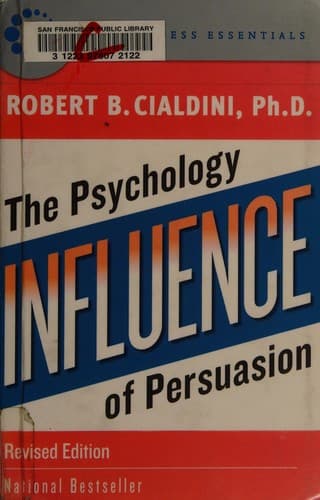
Cover of Influence: The Psychology of Persuasion by Robert B. Cialdini
Cover of Never Split the Difference by Chris Voss
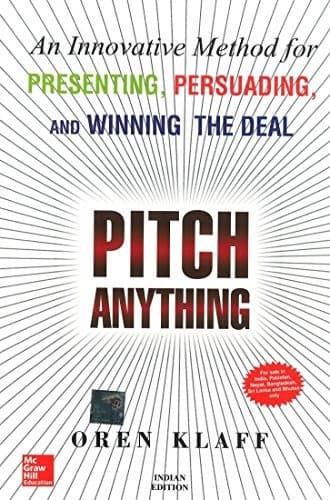
Cover of Pitch Anything by Oren Klaff

At a glance

  1. 1
    Cover of Never Split the Difference by Chris Voss
    Never Split the Difference by Chris Voss
  2. 2$100M Offers by Alex Hormozi
  3. 3
    Cover of Influence: The Psychology of Persuasion by Robert B. Cialdini
    Influence: The Psychology of Persuasion by Robert B. Cialdini
  4. 4
    Cover of Pitch Anything by Oren Klaff
    Pitch Anything by Oren Klaff
  5. 5
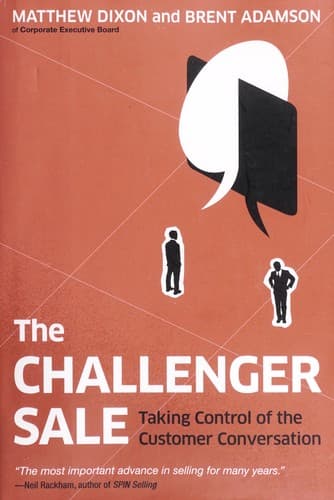
    Cover of The Challenger Sale by Matthew Dixon
    The Challenger Sale by Matthew Dixon
  6. 6
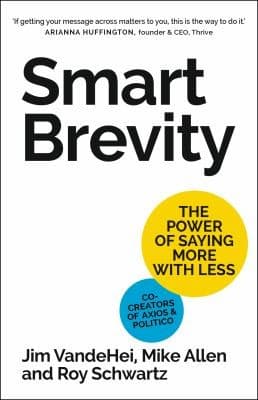
    Cover of Smart Brevity by Jim VandeHei
    Smart Brevity by Jim VandeHei
  7. 7
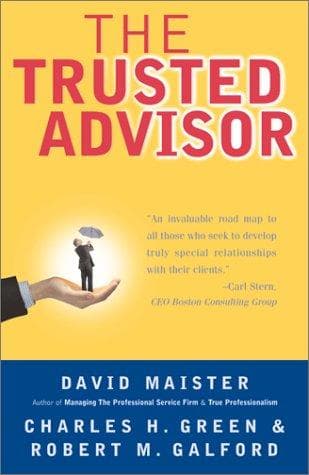
    Cover of The Trusted Advisor by David H. Maister
    The Trusted Advisor by David H. Maister
  8. 8
    Cover of Flawless Consulting by Peter Block
    Flawless Consulting by Peter Block
  9. 9
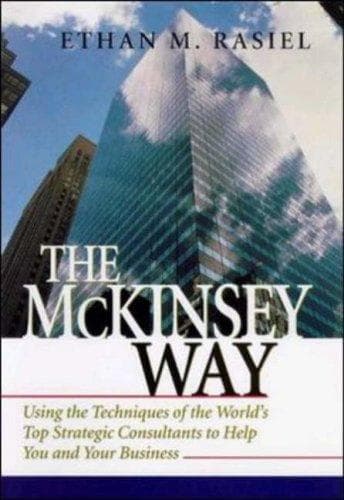
    Cover of The McKinsey Way by Ethan M. Rasiel
    The McKinsey Way by Ethan M. Rasiel
  10. 10
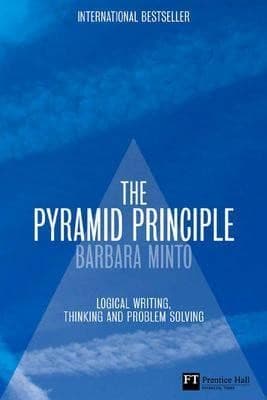
    Cover of The Pyramid Principle by Barbara Minto
    The Pyramid Principle by Barbara Minto
  11. 11Book Yourself Solid by Michael Port
  12. 12
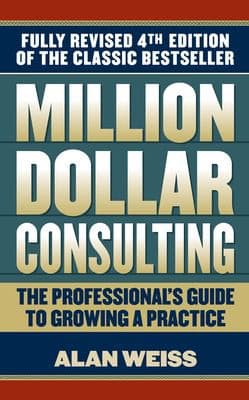
    Cover of Million Dollar Consulting by Alan Weiss
    Million Dollar Consulting by Alan Weiss
  13. 13
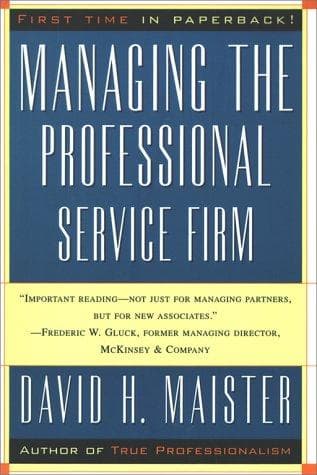
    Cover of Managing the Professional Service Firm by David H. Maister
    Managing the Professional Service Firm by David H. Maister
  14. 14
    Cover of Value-Based Fees by Alan Weiss
    Value-Based Fees by Alan Weiss
  15. 15
    Cover of Getting Started in Consulting by Alan Weiss
    Getting Started in Consulting by Alan Weiss
Cover of Never Split the Difference by Chris Voss

#1

Never Split the Difference

Chris Voss · 2016

4.7 on Amazon52k reviews4.4k searches a monthAbout 6 hours to read

A former FBI hostage negotiator adapts crisis negotiation tactics for business and everyday life.

Chris Voss argues that good negotiation is less about logic and compromise than about understanding emotions and building trust. Drawing on his FBI career and later teaching, he presents practical communication techniques for uncovering what the other side really wants and steering talks toward better outcomes. Readers come away with concrete tools for salary talks, deals, purchases, and personal conflicts, plus a mindset that treats negotiation as a skill anyone can practice.

Key ideas

  • Tactical empathy means understanding the other side's feelings and perspective to influence them.
  • Mirroring and labeling encourage people to open up and reveal their real concerns.
  • Open-ended questions let the other party solve your problem and feel in control.

Best for

Professionals, managers, and salespeople who want practical negotiation tactics for work and daily life.

View on Amazon
$100M Offers

Alex Hormozi

#2

$100M Offers

Alex Hormozi · 2021

4.9 on Amazon30k reviews110 searches a monthAbout 3 hours to read

A practical guide to building offers so compelling that customers feel foolish saying no.

Hormozi argues that the offer, not marketing tactics or price cutting, is the biggest lever for growing a business. He teaches how to raise the perceived value of what you sell by targeting a strong market, addressing customer problems, and structuring what you deliver. Readers learn to package services, add bonuses, use guarantees, and create urgency so they can charge more, compete on value instead of price, and attract customers more easily.

Key ideas

  • Strong offers let you charge premium prices instead of competing on being cheapest.
  • Value rises when outcomes are bigger and likelier, faster, and easier for the customer.
  • Guarantees, bonuses, scarcity, and good naming strengthen an offer and reduce buyer risk.

Best for

Founders, freelancers, and marketers who want to improve pricing, packaging, and sales conversion.

View on Amazon
Cover of Influence: The Psychology of Persuasion by Robert B. Cialdini

#3

Influence: The Psychology of Persuasion

Robert B. Cialdini · 1983

4.5 on Amazon13k reviews3.6k searches a monthAbout 6 hours to read

A research-based look at why people comply, and how to use or resist persuasion.

Cialdini draws on experiments and his own undercover observation of salespeople, fundraisers, and marketers to explain why people say yes. He organizes the findings into six principles of influence that work largely by triggering mental shortcuts. Readers learn to recognize these levers in advertising, sales, and everyday requests, apply them ethically in their own work, and spot manipulation before it succeeds. The book is vivid, example-heavy, and practical.

Key ideas

  • Six core principles drive most compliance: reciprocity, commitment, social proof, liking, authority, and scarcity.
  • People rely on automatic shortcuts, which professionals can exploit when we are busy or unsure.
  • Understanding these triggers helps you persuade ethically and defend against manipulation.

Best for

Marketers, salespeople, managers, and curious general readers interested in the psychology of everyday decisions.

View on Amazon
Cover of Pitch Anything by Oren Klaff

#4

Pitch Anything

Oren Klaff · 2011

4.6 on Amazon3.9k reviews1k searches a monthAbout 4 hours to read

A pitching method built on how the brain processes status, novelty, and threat in high-stakes persuasion.

Klaff argues that pitches succeed or fail based on how the listener's primitive brain reacts, not on the quality of your slides or logic. He teaches that controlling the frame, meaning the social dynamic of the meeting, matters most. His STRONG sequence guides you from establishing frame through story, intrigue, and prize to a clear decision. Readers take away tactics for holding attention, signaling confidence, and avoiding the needy behavior that weakens their position.

Key ideas

  • Pitches are won by managing frames and status, not by piling on information.
  • The older, emotional parts of the brain filter ideas before logic engages.
  • STRONG gives a step-by-step structure from opening frame to securing a decision.

Best for

Founders, salespeople, and professionals who regularly pitch investors, clients, or executives and want a structured approach.

View on Amazon
Cover of The Challenger Sale by Matthew Dixon

#5

The Challenger Sale

Matthew Dixon · 2011

4.5 on Amazon2.4k reviews3.6k searches a monthAbout 4 hours to read

Research-based argument that top B2B salespeople win by teaching and challenging customers, not just building relationships.

Drawing on a large study of sales representatives, the authors argue that rep performance is better explained by a distinct selling style than by relationship skills alone. The standout "Challenger" profile combines teaching customers new insights, tailoring the message to their situation, and taking control of the conversation. Readers learn how this approach works in complex, solution-oriented sales and how managers can coach and organize teams to apply it.

Key ideas

  • Sales reps fall into distinct profiles, and Challengers outperform the others in complex sales.
  • Teach customers something new about their business instead of simply responding to stated needs.
  • Tailor your message and be willing to take control of the sale, including pushing back.

Best for

Sales leaders and B2B account executives selling complex solutions who want a fresh approach.

View on Amazon
Cover of Smart Brevity by Jim VandeHei

#6

Smart Brevity

Jim VandeHei · 2022

4.5 on Amazon2.9k reviews880 searches a monthAbout 4 hours to read

A guide to writing and communicating concisely so busy people actually read and retain your message.

Written by the Axios cofounders, the book argues that attention is scarce and most workplace writing wastes it. It teaches a disciplined approach to cutting words, leading with what matters, and structuring messages so they are easy to scan. Readers come away with practical habits for emails, memos, presentations, and speeches, plus a stronger sense that respecting the audience's time makes communication more persuasive and effective.

Key ideas

  • Readers give you very little attention, so earn it quickly.
  • Lead with the most important point and cut everything that dilutes it.
  • Clear structure and strong, simple wording make messages easier to scan and remember.

Best for

Managers, marketers, and professionals who want shorter, clearer emails, memos, and presentations.

View on Amazon
Cover of The Trusted Advisor by David H. Maister

#7

The Trusted Advisor

David H. Maister · 2001

4.5 on Amazon1.7k reviews1.3k searches a monthAbout 5 hours to read

A guide to earning client trust and becoming the advisor people turn to first.

Maister, Green, and Galford argue that lasting professional success rests on trust, not just expertise. They break trustworthiness into components, including credibility, reliability, and intimacy, and note that self-orientation undermines all of them. The book then lays out a five-step process for building trust-based relationships: engage, listen, frame, envision, and commit. Readers come away with practical checklists and a self-diagnostic for improving how they deal with clients and colleagues.

Key ideas

  • Trust is built from credibility, reliability, and intimacy, and lowered by self-focus.
  • Advisors earn trust through five steps: engage, listen, frame, envision, commit.
  • Putting the client's interests ahead of your own wins deeper, longer relationships.

Best for

Consultants, lawyers, accountants, and other professionals who want closer client relationships and repeat work.

View on Amazon
Cover of Flawless Consulting by Peter Block

#8

Flawless Consulting

Peter Block · 2000

4.5 on Amazon916 reviews480 searches a monthAbout 7 hours to read

A practical guide to consulting that focuses on building authentic, effective relationships with clients.

Block treats consulting as a relationship skill rather than a purely technical one. He walks through the phases of an engagement, from contracting and entry through discovery, feedback, and implementation, and shows how consultants succeed by being honest about needs, expectations, and resistance. Readers learn to handle difficult clients, ask better questions, and stay authentic while influencing people over whom they hold no formal authority. The approach applies to internal and external consultants alike.

Key ideas

  • Clear contracting about expectations and needs sets up the entire engagement.
  • Client resistance is natural and should be addressed openly rather than avoided.
  • Authenticity and direct conversation build more influence than technical expertise alone.

Best for

Internal or external consultants, and managers who advise others without direct authority.

View on Amazon
Cover of The McKinsey Way by Ethan M. Rasiel

#9

The McKinsey Way

Ethan M. Rasiel · 1999

4.2 on Amazon1.7k reviews590 searches a monthAbout 4 hours to read

A former McKinsey associate explains the firm's problem-solving, teamwork, and client-handling methods so general managers can apply them.

Ethan Rasiel draws on his time as a McKinsey associate to show how the firm hires, trains, and structures its consulting work. He organizes the lessons around problem solving, running teams, and working with clients, and he illustrates them with anecdotes from the firm. The takeaway is a set of practical habits: break problems into manageable pieces, let facts guide decisions, communicate clearly, and win support from the people who must act on recommendations.

Key ideas

  • Structure problems into logical parts before diving into analysis or solutions.
  • Ground decisions in facts and data rather than hunches or office politics.
  • Win client buy-in early so recommendations actually get implemented.

Best for

Managers, aspiring consultants, and students wanting an accessible look at consulting-style problem solving.

View on Amazon
Cover of The Pyramid Principle by Barbara Minto

#10

The Pyramid Principle

Barbara Minto · 1978

4.5 on Amazon551 reviews480 searches a monthAbout 3 hours to read

A guide to structuring thinking and writing as a pyramid, with a main point supported by grouped ideas.

Minto argues that clear communication starts with clear structure. Ideas should form a pyramid in which a single governing thought sits on top, supported by groups of related points that each summarize the ideas beneath them. Readers absorb information more easily when it is organized this way. The book teaches rules for building, testing, and refining such structures, and shows how doing so sharpens your own thinking and makes your message persuasive to a specific audience.

Key ideas

  • Lead with the answer, then support it with grouped arguments beneath.
  • Ideas at each level must summarize the ideas grouped below them.
  • Sort supporting points either by logical type or by sequence, never loosely.

Best for

Consultants, analysts, and managers who write reports, memos, or presentations for busy decision makers.

View on Amazon

Book Yourself Solid

Michael Port

#11

Book Yourself Solid

Michael Port · 2008

4.6 on Amazon440 reviews390 searches a monthAbout 7 hours to read

A practical marketing system helping independent professionals attract ideal clients and build a steady, predictable pipeline of business.

Port argues that small service businesses fill their calendars by being selective and consistent, not by chasing everyone. Readers learn to define the clients they most want to serve, build trust before asking for business, and commit to a small set of repeatable promotion habits. The book also addresses the self-doubt that keeps many people from selling, and it offers exercises for turning the ideas into a working plan.

Key ideas

  • Choose your clients deliberately, because a clear ideal client makes marketing easier.
  • People hire those they know, like, and trust, so build credibility first.
  • Steady, repeated promotion activity beats occasional bursts of marketing effort.

Best for

Coaches, consultants, freelancers, and other solo service providers who want more reliable client flow.

View on Amazon
Cover of Million Dollar Consulting by Alan Weiss

#12

Million Dollar Consulting

Alan Weiss · 1992

4.5 on Amazon381 reviews210 searches a monthAbout 6 hours to read

A practical guide to building a profitable independent consulting practice, with emphasis on marketing and value-based fees.

Weiss argues that independent consultants can build high-earning practices by treating consulting as a business rather than a series of hourly jobs. He walks through attracting clients, positioning yourself, marketing, pricing, and growing revenue. The updated edition adds guidance on online marketing, global work, delegation, retainers, and surviving weak markets. Readers take away a clear playbook for moving from trading time for money to charging for the results clients receive.

Key ideas

  • Price based on the value you deliver, not on time spent.
  • Steady marketing and a strong client pipeline drive a consultancy's growth.
  • Retainers, delegation, and leverage help a solo practice scale beyond your own hours.

Best for

Aspiring or established independent consultants wanting higher fees, better clients, and a more scalable practice.

View on Amazon
Cover of Managing the Professional Service Firm by David H. Maister

#13

Managing the Professional Service Firm

David H. Maister · 1993

4.6 on Amazon558 reviewsAbout 7 hours to read

A guide to running law, consulting, accounting and similar firms, covering strategy, people, marketing and partnership dynamics.

Maister argues that professional service firms succeed by balancing three things: serving clients well, developing and motivating talented staff, and earning solid financial returns. He treats these as linked, not competing. The book covers firm strategy, leverage and pricing, marketing and selling expertise, career development, and the unusual challenge of leading partners who are also owners. Readers come away with practical frameworks for diagnosing their firm's economics and culture and for making better management choices.

Key ideas

  • Firm profitability depends on the interplay of pricing, leverage, utilization, and margins.
  • Great firms align client service, professional development, and financial performance rather than trading them off.
  • Leading professionals requires persuasion and shared values, since partners are owners, not employees.

Best for

Partners, managing directors, and aspiring leaders at consulting, legal, accounting, or engineering firms.

View on Amazon
Cover of Value-Based Fees by Alan Weiss

#14

Value-Based Fees

Alan Weiss · 2002

4.6 on Amazon128 reviewsAbout 4 hours to read

A guide for independent consultants on pricing by the value clients perceive, not by hours worked.

Weiss argues that consulting fees should rest on the value a buyer perceives and on ethical intent from both sides, not on time spent. He holds that consultants themselves, not clients, are the main reason fees stay low, because they doubt their worth or fail to link their advice to the client's long-term gains. Readers come away with a case for pricing on outcomes, plus a push to build the confidence that supports higher fees.

Key ideas

  • Fees should reflect the buyer's perceived value rather than the consultant's time.
  • Consultants must connect their advice to the client's long-term gains.
  • Low self-esteem and weak belief in one's worth often drag fees down.

Best for

Independent consultants and advisors who want to raise fees and stop billing by the hour.

View on Amazon
Cover of Getting Started in Consulting by Alan Weiss

#15

Getting Started in Consulting

Alan Weiss · 2000

4.4 on Amazon198 reviewsAbout 6 hours to read

A practical guide to launching and running a profitable independent consulting business from a home office.

Alan Weiss offers a hands-on roadmap for professionals leaving corporate jobs to become independent consultants. He covers the essentials of setting up shop, including financing, marketing, proposals, legal basics, fee setting, and bookkeeping. The book stresses low overhead, strong organization, and deliberate business development as the route to a substantial income. This third edition adds guidance on using technology, sample start-up budgets, downloadable tools, and interviews with successful consultants.

Key ideas

  • Keep overhead low and stay organized to build a highly profitable solo practice.
  • Marketing and winning proposals matter as much as subject expertise in consulting.
  • Plan your start-up budget deliberately, whether you begin with a small or larger investment.

Best for

Corporate professionals planning to leave their jobs and start a solo consulting practice.

View on Amazon

How we rank these books

We start from 16 books that practitioners widely recommend on the topic, then rank them by what readers actually do rather than by our taste:

  • Review volume (55%): the number of Amazon US ratings on the book's main listing.
  • Rating (20%): the average Amazon US star rating.
  • Search demand (25%): how many people search Google in the US for the book each month.

Volume and demand are log-scaled so a few mega-sellers don't drown out everything else. Publication year and page counts come from Open Library. Summaries are our own, written from each book's catalog description. We don't take payment for placement.

From reader to author

Every book on this list started as one expert's know-how. Yours could be next.

BOOKED shows how experts turn what they know into a book that brings in clients. Rather not write it yourself? We can write it with you.

Questions about consultants books

Answers drawn from the data behind this list.

Browse all book lists
By reader data, Never Split the Difference by Chris Voss ranks first, with 52k Amazon reviews and a 4.7 star rating. $100M Offers and Influence: The Psychology of Persuasion follow. A former FBI hostage negotiator adapts crisis negotiation tactics for business and everyday life.

More business book lists