The 15 best entrepreneurship books, ranked by reader data

The books first-time and serial founders recommend most, from finding an idea to building something that lasts, ranked by reader data. Updated October 2026.

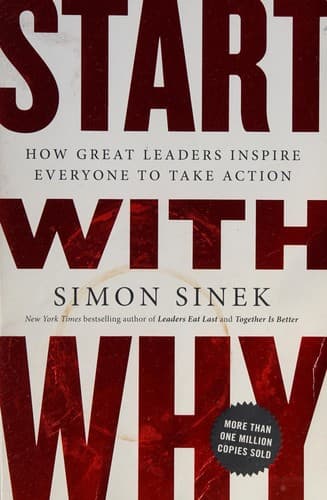
Cover of Start with Why by Simon Sinek
Cover of Shoe Dog by Phil Knight
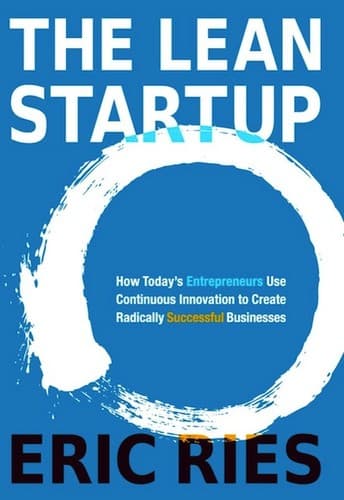
Cover of The Lean Startup by Eric Ries

At a glance

  1. 1
    Cover of Shoe Dog by Phil Knight
    Shoe Dog by Phil Knight
  2. 2
    Cover of Start with Why by Simon Sinek
    Start with Why by Simon Sinek
  3. 3
    Cover of The Lean Startup by Eric Ries
    The Lean Startup by Eric Ries
  4. 4
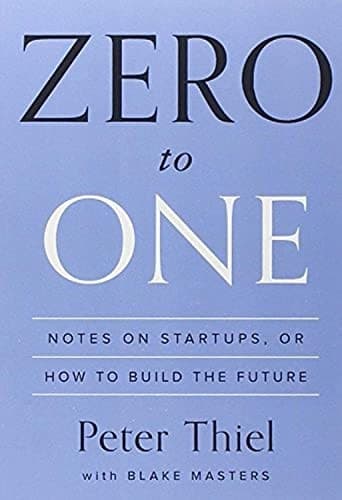
    Cover of Zero to One by Peter Thiel
    Zero to One by Peter Thiel
  5. 5
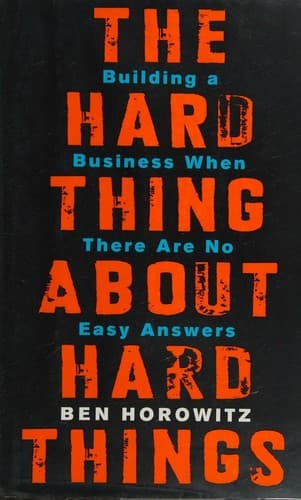
    Cover of The Hard Thing About Hard Things by Ben Horowitz
    The Hard Thing About Hard Things by Ben Horowitz
  6. 6
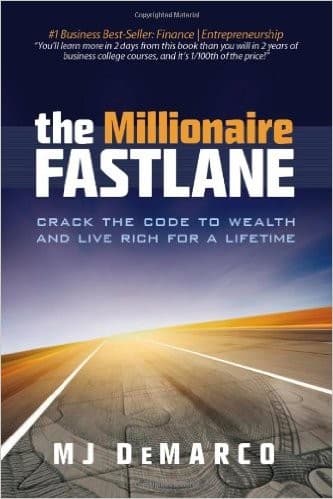
    Cover of The Millionaire Fastlane by MJ DeMarco
    The Millionaire Fastlane by MJ DeMarco
  7. 7$100M Offers by Alex Hormozi
  8. 8
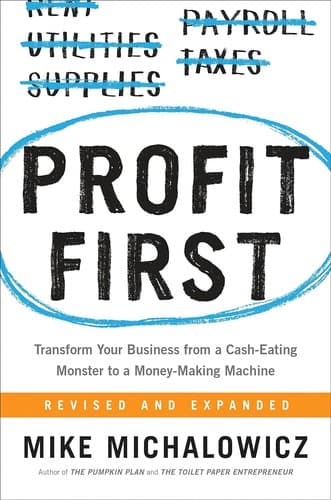
    Cover of Profit First by Mike Michalowicz
    Profit First by Mike Michalowicz
  9. 9
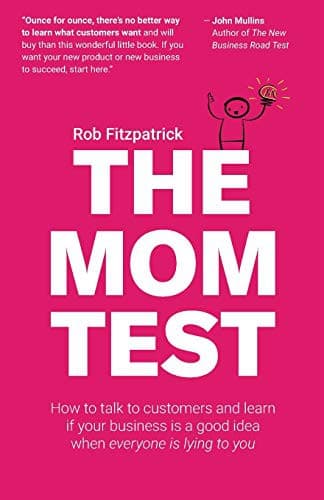
    Cover of The Mom Test by Rob Fitzpatrick
    The Mom Test by Rob Fitzpatrick
  10. 10
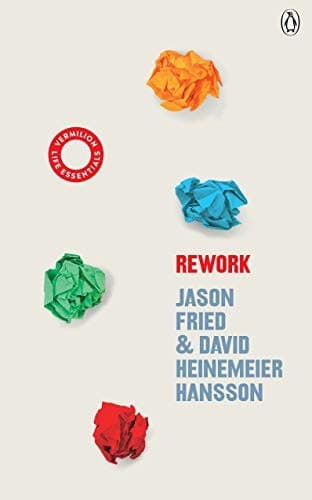
    Cover of Rework by Jason Fried
    Rework by Jason Fried
  11. 11
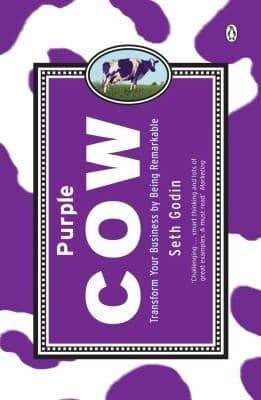
    Cover of Purple Cow by Seth Godin
    Purple Cow by Seth Godin
  12. 12
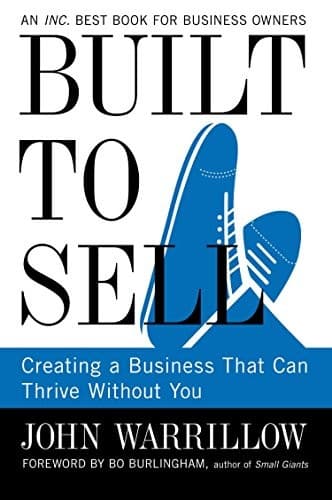
    Cover of Built to Sell by John Warrillow
    Built to Sell by John Warrillow
  13. 13
    Cover of Will It Fly? by Pat Flynn
    Will It Fly? by Pat Flynn
  14. 14
    Cover of The 4-Hour Workweek by Timothy Ferriss
    The 4-Hour Workweek by Timothy Ferriss
  15. 15
    Cover of The $100 Startup by Chris Guillebeau
    The $100 Startup by Chris Guillebeau
Cover of Shoe Dog by Phil Knight

#1

Shoe Dog

Phil Knight · 2014

4.7 on Amazon64k reviews8.1k searches a monthAbout 7 hours to read

Nike founder Phil Knight recounts building Blue Ribbon Sports into a global athletic brand.

Phil Knight tells the story of Nike's early decades, from importing Japanese running shoes as a young entrepreneur to building a worldwide brand. The memoir focuses less on business theory than on the messy reality of starting a company: tight cash, bank pressure, legal fights, and reliance on a loyal, eccentric team. Readers come away with a vivid sense of what persistence, shared purpose, and risk tolerance feel like in practice.

Key ideas

  • Chronic cash shortages can shape a young company's every decision and strategy.
  • A devoted, unconventional team often matters more than polish or credentials.
  • Belief in a mission helps founders endure setbacks, doubt, and near failure.

Best for

Aspiring founders and general readers who enjoy candid, story-driven business memoirs.

View on Amazon
Cover of Start with Why by Simon Sinek

#2

Start with Why

Simon Sinek · 2009

4.6 on Amazon28k reviews9.9k searches a monthAbout 5 hours to read

Argues that organizations and leaders inspire loyalty by communicating their purpose before their products or methods.

Sinek contends that the most influential leaders and companies begin with their purpose, the reason they exist beyond making money, and only then explain how and what they do. He presents this as the Golden Circle and ties it to inspiration, trust, and customer and employee loyalty. Using examples such as Apple, Southwest Airlines, and Martin Luther King Jr., he shows readers how to define a clear purpose and apply it to hiring, culture, and messaging.

Key ideas

  • The Golden Circle orders communication as why, then how, then what.
  • People commit to a purpose they share, not just to products.
  • Clear purpose guides hiring, culture, marketing, and long-term decisions.

Best for

Founders, managers, and marketers seeking a clearer mission and more compelling way to communicate it.

View on Amazon
Cover of The Lean Startup by Eric Ries

#3

The Lean Startup

Eric Ries · 2011

4.5 on Amazon18k reviews12k searches a monthAbout 6 hours to read

A method for building startups by testing assumptions with customers instead of relying on elaborate plans.

Ries argues that startups usually fail because they build something customers don't want, not because of poor execution. He proposes treating a new venture as a series of experiments aimed at learning what people will actually buy. Teams build a minimal version of a product, measure real customer behavior, and then decide whether to continue or change course. Readers come away with a practical way to cut waste, learn faster, and make decisions based on evidence rather than hunches.

Key ideas

  • Validated learning means proving what customers want through real evidence, not opinions.
  • Build a minimum viable product to start the learning loop quickly.
  • Build, measure, learn in short cycles, and pivot when evidence demands it.

Best for

Founders, product managers, and corporate innovators launching new products under uncertainty.

View on Amazon
Cover of Zero to One by Peter Thiel

#4

Zero to One

Peter Thiel · 2001

4.5 on Amazon40k reviews1.3k searches a monthAbout 5 hours to read

Peter Thiel argues that real progress comes from building unique, new things rather than copying.

Thiel contends that the most valuable companies create something new instead of competing in crowded markets. He separates vertical progress (going from zero to one) from horizontal progress (copying what works). He argues that healthy businesses aim for durable monopoly-like positions, built on hidden truths others overlook. The book draws on his PayPal and venture investing experience. Readers come away with sharper questions for judging startups, markets, and their own ambitions.

Key ideas

  • Vertical progress creates something new; horizontal progress only copies existing models at larger scale.
  • Competition erodes profits, so great businesses seek unique positions that rivals cannot easily match.
  • Valuable companies start from secrets: important truths that most people overlook or disagree with.

Best for

Founders, investors, and strategists who want a contrarian framework for building original companies.

View on Amazon
Cover of The Hard Thing About Hard Things by Ben Horowitz

#5

The Hard Thing About Hard Things

Ben Horowitz · 2014

4.6 on Amazon16k reviews4.4k searches a monthAbout 3 hours to read

A venture capitalist and former CEO shares candid lessons on running a company through crises.

Horowitz draws on his years as a startup founder and later investor to argue that no formula exists for the toughest management moments. The book focuses on the messy realities of leading a company, such as layoffs, wartime pressure, and managing people when things go badly. It blends personal stories with practical advice, and readers come away with a more honest view of leadership, along with tools for handling stress and uncertainty.

Key ideas

  • Leadership is most tested in crises, where no playbook gives easy answers.
  • Honest communication with employees builds trust, especially when delivering bad news.
  • Good CEOs learn to manage their own psychology and endure isolation.

Best for

Founders and managers facing high-stakes decisions who want candid, experience-based leadership guidance.

View on Amazon
Cover of The Millionaire Fastlane by MJ DeMarco

#6

The Millionaire Fastlane

MJ DeMarco · 2011

4.7 on Amazon14k reviews2.4k searches a monthAbout 6 hours to read

A case for building business wealth quickly instead of waiting decades on conventional savings advice.

DeMarco argues that the standard path of steady job income, frugal saving, and long-term investing is a slow route that depends on decades of waiting. He proposes a faster alternative: build a business that solves real problems, scales, and creates value for many people. The book challenges common beliefs about getting rich, pushes readers to take ownership of their results, and offers a framework for judging whether a business idea can truly produce wealth.

Key ideas

  • Conventional saving and investing advice is framed as a slow path to wealth.
  • Wealth comes from building businesses that serve many customers at scale.
  • Readers should judge business ideas by their potential to create lasting leverage.

Best for

Aspiring entrepreneurs frustrated with traditional career and investing advice who want a bolder wealth strategy.

View on Amazon

$100M Offers

Alex Hormozi

#7

$100M Offers

Alex Hormozi · 2021

4.9 on Amazon30k reviews110 searches a monthAbout 3 hours to read

A practical guide to building offers so compelling that customers feel foolish saying no.

Hormozi argues that the offer, not marketing tactics or price cutting, is the biggest lever for growing a business. He teaches how to raise the perceived value of what you sell by targeting a strong market, addressing customer problems, and structuring what you deliver. Readers learn to package services, add bonuses, use guarantees, and create urgency so they can charge more, compete on value instead of price, and attract customers more easily.

Key ideas

  • Strong offers let you charge premium prices instead of competing on being cheapest.
  • Value rises when outcomes are bigger and likelier, faster, and easier for the customer.
  • Guarantees, bonuses, scarcity, and good naming strengthen an offer and reduce buyer risk.

Best for

Founders, freelancers, and marketers who want to improve pricing, packaging, and sales conversion.

View on Amazon
Cover of Profit First by Mike Michalowicz

#8

Profit First

Mike Michalowicz · 2014

4.8 on Amazon9.2k reviews1.6k searches a monthAbout 4 hours to read

A cash management system for small businesses that puts profit first instead of treating it as leftover.

Michalowicz challenges the standard accounting formula of sales minus expenses equals profit. He argues owners should take profit off the top and run the business on what remains. The book lays out a method of dividing incoming money into separate bank accounts for set purposes, with allocation percentages adjusted as the company grows. Readers come away with a practical, simple routine for managing cash, controlling spending, paying themselves, and building a steadily profitable business.

Key ideas

  • Set aside profit first, then let remaining money determine your expenses.
  • Use separate bank accounts to allocate income and make cash visible.
  • Constraints on spending push owners toward efficiency and smarter business decisions.

Best for

Small business owners and freelancers struggling with cash flow and consistent profitability.

View on Amazon
Cover of The Mom Test by Rob Fitzpatrick

#9

The Mom Test

Rob Fitzpatrick · 2014

4.7 on Amazon4.3k reviews3.6k searches a monthAbout 3 hours to read

A practical guide to customer conversations that reveal whether a business idea is worth pursuing.

Fitzpatrick argues that most feedback on startup ideas is useless because people want to be kind, so founders hear compliments instead of truth. The fix is to improve the questions you ask, not to find better people to ask. By focusing on customers' real lives, past behavior, and existing problems rather than pitching your idea, you gather evidence you can act on. Readers learn to run shorter, more honest conversations and to avoid fooling themselves.

Key ideas

  • Ask about the customer's life and past behavior, not your idea.
  • Compliments, hypotheticals, and future promises are unreliable and often misleading data.
  • Good conversations end with concrete commitments, such as time, money, or introductions.

Best for

First-time founders and product people validating ideas before investing heavily in building.

View on Amazon
Cover of Rework by Jason Fried

#10

Rework

Jason Fried · 2010

4.5 on Amazon12k reviews480 searches a monthAbout 5 hours to read

A brisk collection of contrarian essays arguing that simpler, leaner businesses beat conventional startup wisdom.

Written by the founders of 37signals, this book rejects much standard business advice, including heavy planning, outside funding, and obsessing over rivals. Through short, punchy essays, it argues that small teams can succeed by starting quickly, staying lean, and focusing on making something good. Readers come away with a skeptical view of corporate habits like endless meetings and rigid growth targets, plus a push to act now, sell a quality product, and build a sustainable company.

Key ideas

  • Start building now instead of waiting for perfect plans or funding.
  • Stay small and lean; constraints and simplicity can be real advantages.
  • Skip needless meetings, paperwork, and competitor obsession to protect focus and productivity.

Best for

Aspiring founders and small-business owners wanting a quick, opinionated antidote to conventional startup advice.

View on Amazon
Cover of Purple Cow by Seth Godin

#11

Purple Cow

Seth Godin · 2002

4.4 on Amazon3.9k reviews1.9k searches a monthAbout 3 hours to read

A case for building remarkable products that stand out, rather than relying on traditional advertising.

Godin argues that the old marketing playbook of buying attention through ads and polishing safe products no longer works in crowded markets. Consumers ignore the ordinary, so the best growth strategy is to create something genuinely remarkable that people want to talk about. He uses examples from many companies to show how standing out spreads ideas. Readers come away encouraged to design distinctiveness into the product itself and to accept the risk of being different.

Key ideas

  • Playing it safe is the riskiest strategy when consumers ignore ordinary products.
  • Remarkable means worth remarking on, so customers spread the word for you.
  • Marketing should shape the product itself, not just promote it afterward.

Best for

Product managers, founders, and marketers seeking fresh ways to differentiate offerings in saturated markets.

View on Amazon
Cover of Built to Sell by John Warrillow

#12

Built to Sell

John Warrillow · 2013

4.7 on Amazon3k reviews170 searches a monthAbout 3 hours to read

A fable showing how to build a service business that a buyer will want to acquire.

Told as a story about a struggling owner of a creative agency, the book argues that most small businesses depend too heavily on their founders and are hard to sell. It makes the case for turning custom services into a repeatable, focused offering that runs without the owner. Readers come away with a clearer view of what makes a company valuable to acquirers and how to start building toward that.

Key ideas

  • Specialize in one clear offering instead of doing whatever clients ask.
  • Package your service so it is standardized and repeatable, like a product.
  • Reduce dependence on the owner so the business works without you.

Best for

Owners of service businesses who want to eventually sell their company for a strong price.

View on Amazon
Cover of Will It Fly? by Pat Flynn

#13

Will It Fly?

Pat Flynn · 2016

4.7 on Amazon1.6k reviews170 searches a monthAbout 7 hours to read

A practical guide to testing a business idea before investing heavily in it.

Flynn argues that most failed ventures could have been spotted early with cheap, structured testing. He guides readers through judging an idea against their own strengths, goals, and motivation, then checking whether a real market wants it. The takeaway is a repeatable process for gathering evidence from actual prospects, so you can decide to launch, adjust, or drop an idea before spending much time or money.

Key ideas

  • Validate an idea with real people before building anything substantial.
  • A good idea must fit your own skills, goals, and motivation.
  • Small, low-cost experiments beat guesswork and protect your time and money.

Best for

Aspiring entrepreneurs and side-project builders weighing a first or next business idea.

View on Amazon
Cover of The 4-Hour Workweek by Timothy Ferriss

#14

The 4-Hour Workweek

Timothy Ferriss · 2006

4.5 on Amazon29k reviewsAbout 7 hours to read

A guide to escaping the traditional career path by building location-independent income and gaining control of your time.

Ferriss argues that people needn't postpone enjoyment until retirement. He proposes treating time and mobility as the real forms of wealth, and lays out a method he calls DEAL: define goals, eliminate low-value work, automate income, and liberate yourself from a fixed location. Readers take away tactics for cutting unproductive tasks, delegating to remote help, negotiating flexibility, limiting information intake, and spreading leisure across life through travel and mini-retirements.

Key ideas

  • Time and mobility matter more than accumulating money for a distant retirement.
  • Focus on the few tasks that produce most results and drop the rest.
  • Delegate and automate work so income continues without constant involvement.

Best for

Overworked employees and aspiring entrepreneurs wanting more freedom, flexibility, and control over their schedules.

View on Amazon
Cover of The $100 Startup by Chris Guillebeau

#15

The $100 Startup

Chris Guillebeau · 2012

4.5 on Amazon7.8k reviews10 searches a monthAbout 6 hours to read

A practical guide to launching a small, low-cost business built around your skills and what customers will pay for.

Guillebeau studied people who built businesses earning $50,000 or more from very little startup money and distills what they had in common. His argument is that you do not need an MBA, investors, or employees to start. You need something people want, a way to reach them, and a way to get paid. Readers come away with a simple approach to turning skills and interests into income, plus a push to start small and act quickly.

Key ideas

  • Your business sits where your passion or skills meet what people will pay for.
  • Start with a simple offer and a payment method rather than an elaborate plan.
  • Launch small, learn from real customers, and improve as you go.

Best for

Aspiring side-hustlers and would-be solo entrepreneurs wanting a low-risk, low-budget way to start earning independently.

View on Amazon

How we rank these books

We start from 18 books that practitioners widely recommend on the topic, then rank them by what readers actually do rather than by our taste:

  • Review volume (55%): the number of Amazon US ratings on the book's main listing.
  • Rating (20%): the average Amazon US star rating.
  • Search demand (25%): how many people search Google in the US for the book each month.

Volume and demand are log-scaled so a few mega-sellers don't drown out everything else. Publication year and page counts come from Open Library. Summaries are our own, written from each book's catalog description. We don't take payment for placement.

From reader to author

Every book on this list started as one expert's know-how. Yours could be next.

BOOKED shows how experts turn what they know into a book that brings in clients. Rather not write it yourself? We can write it with you.

Questions about entrepreneurship books

Answers drawn from the data behind this list.

Browse all book lists
By reader data, Shoe Dog by Phil Knight ranks first, with 64k Amazon reviews and a 4.7 star rating. Start with Why and The Lean Startup follow. Nike founder Phil Knight recounts building Blue Ribbon Sports into a global athletic brand.

More business book lists