
The 15 best business books, ranked by reader data

The business books that keep showing up on founders' and executives' shelves, ranked by how many readers buy, review and search for them. Updated October 2026.

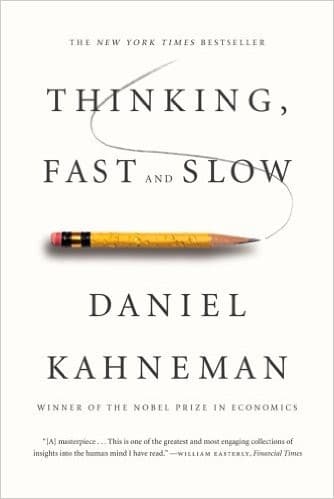
Cover of Thinking, Fast and Slow by Daniel Kahneman
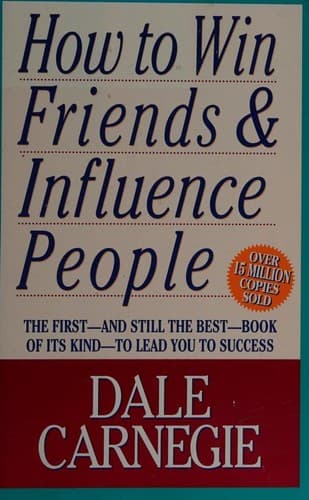
Cover of How to Win Friends and Influence People by Dale Carnegie
Cover of Shoe Dog by Phil Knight

At a glance

  1. 1
    Cover of How to Win Friends and Influence People by Dale Carnegie
    How to Win Friends and Influence People by Dale Carnegie
  2. 2
    Cover of Thinking, Fast and Slow by Daniel Kahneman
    Thinking, Fast and Slow by Daniel Kahneman
  3. 3
    Cover of Shoe Dog by Phil Knight
    Shoe Dog by Phil Knight
  4. 4
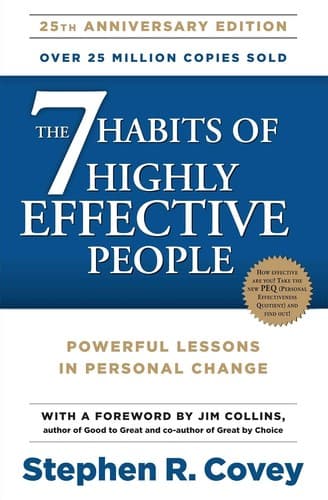
    Cover of The 7 Habits of Highly Effective People by Stephen R. Covey
    The 7 Habits of Highly Effective People by Stephen R. Covey
  5. 5
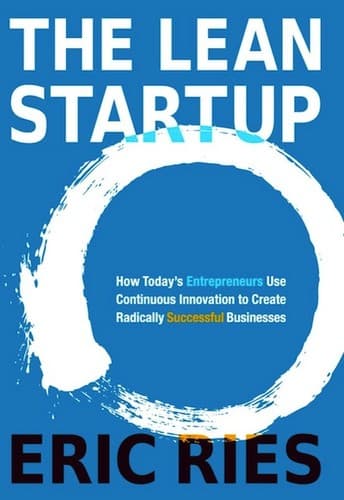
    Cover of The Lean Startup by Eric Ries
    The Lean Startup by Eric Ries
  6. 6
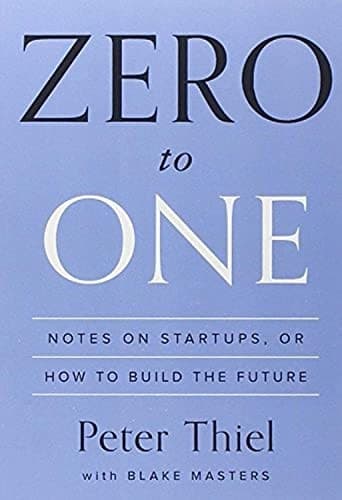
    Cover of Zero to One by Peter Thiel
    Zero to One by Peter Thiel
  7. 7
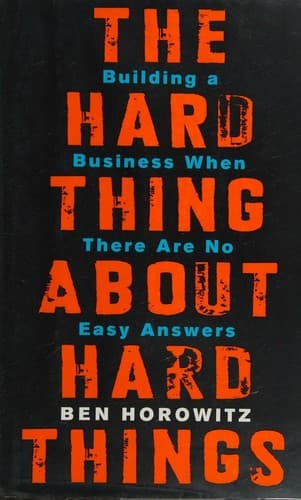
    Cover of The Hard Thing About Hard Things by Ben Horowitz
    The Hard Thing About Hard Things by Ben Horowitz
  8. 8$100M Offers by Alex Hormozi
  9. 9Traction: Get a Grip on Your Business by Gino Wickman
  10. 10
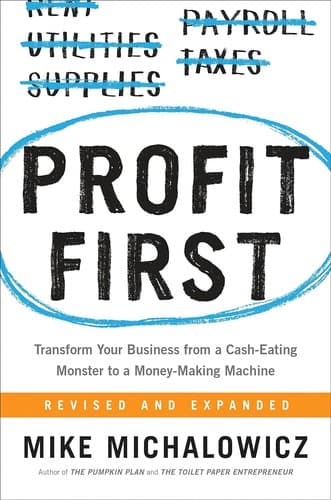
    Cover of Profit First by Mike Michalowicz
    Profit First by Mike Michalowicz
  11. 11
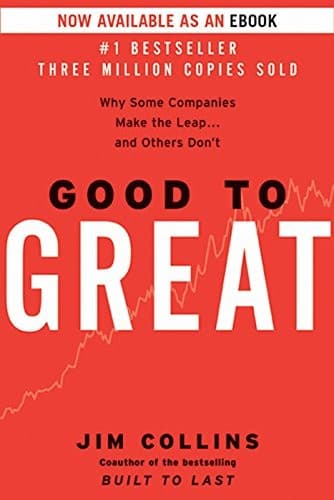
    Cover of Good to Great by Jim Collins
    Good to Great by Jim Collins
  12. 12
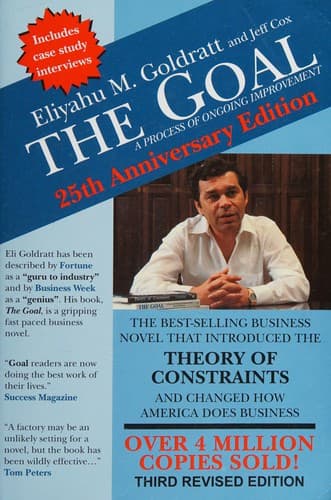
    Cover of The Goal by Eliyahu M. Goldratt
    The Goal by Eliyahu M. Goldratt
  13. 13
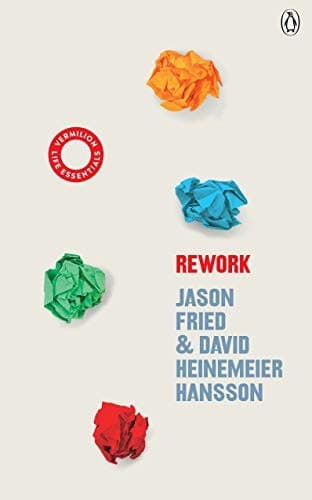
    Cover of Rework by Jason Fried
    Rework by Jason Fried
  14. 14
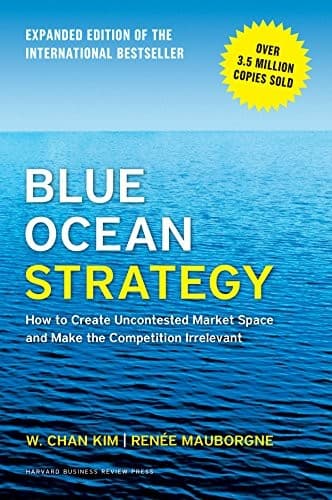
    Cover of Blue Ocean Strategy by W. Chan Kim
    Blue Ocean Strategy by W. Chan Kim
  15. 15
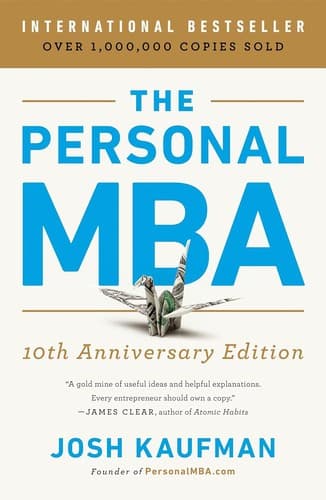
    Cover of The Personal MBA by Josh Kaufman
    The Personal MBA by Josh Kaufman
Cover of How to Win Friends and Influence People by Dale Carnegie

#1

How to Win Friends and Influence People

Dale Carnegie · 1936

4.7 on Amazon107k reviews61k searches a monthAbout 5 hours to read

A classic guide to building rapport, earning cooperation, and persuading others through genuine respect and interest.

Carnegie argues that success in work and life depends largely on how well you handle people, and that this skill can be learned. Rather than criticizing or manipulating, he urges readers to show sincere interest, appreciate others, and see situations from their point of view. Through anecdotes and practical principles, the book teaches habits for making good impressions, winning people to your thinking, and leading without causing resentment. Readers come away with simple, usable human relations techniques.

Key ideas

  • Criticism and condemnation usually provoke defensiveness rather than change.
  • Genuine interest in other people builds stronger relationships than trying to impress them.
  • Persuasion works best when you appeal to what the other person wants.

Best for

Managers, salespeople, and anyone wanting practical habits for better everyday relationships and influence.

View on Amazon
Cover of Thinking, Fast and Slow by Daniel Kahneman

#2

Thinking, Fast and Slow

Daniel Kahneman · 2011

4.6 on Amazon49k reviews33k searches a monthAbout 11 hours to read

A Nobel-winning psychologist explains how two modes of thinking shape our judgments, errors, and decisions.

Kahneman argues that the mind runs on two systems: a fast, automatic one that generates impressions and a slower, effortful one that checks them. The fast system is useful but prone to systematic errors, and the slow one is lazy and often endorses its conclusions. Drawing on decades of research, he shows how biases distort forecasts, risk choices, and views of happiness. Readers come away better able to spot predictable mistakes in their own and others' reasoning.

Key ideas

  • Fast intuition and slow deliberation work together, and each has characteristic failure modes.
  • Heuristics like anchoring and availability produce predictable biases in judgment.
  • People weigh losses more heavily than gains, which skews risky decisions.

Best for

Managers, investors, and curious readers wanting to understand and reduce errors in their own judgment.

View on Amazon
Cover of Shoe Dog by Phil Knight

#3

Shoe Dog

Phil Knight · 2014

4.7 on Amazon64k reviews8.1k searches a monthAbout 7 hours to read

Nike founder Phil Knight recounts building Blue Ribbon Sports into a global athletic brand.

Phil Knight tells the story of Nike's early decades, from importing Japanese running shoes as a young entrepreneur to building a worldwide brand. The memoir focuses less on business theory than on the messy reality of starting a company: tight cash, bank pressure, legal fights, and reliance on a loyal, eccentric team. Readers come away with a vivid sense of what persistence, shared purpose, and risk tolerance feel like in practice.

Key ideas

  • Chronic cash shortages can shape a young company's every decision and strategy.
  • A devoted, unconventional team often matters more than polish or credentials.
  • Belief in a mission helps founders endure setbacks, doubt, and near failure.

Best for

Aspiring founders and general readers who enjoy candid, story-driven business memoirs.

View on Amazon
Cover of The 7 Habits of Highly Effective People by Stephen R. Covey

#4

The 7 Habits of Highly Effective People

Stephen R. Covey · 1989

4.6 on Amazon21k reviews15k searches a monthAbout 7 hours to read

A principle-based approach to personal and professional effectiveness built on character, not quick tricks.

Covey argues that lasting effectiveness comes from developing inner character and sound principles rather than relying on surface techniques or personality tactics. He lays out seven habits that move a person from dependence to independence and then to productive interdependence. Readers learn to take responsibility for their choices, clarify what matters most, prioritize accordingly, collaborate through mutual benefit, listen before seeking to be understood, and keep renewing themselves over time.

Key ideas

  • Character and principles matter more than image or short-term personality techniques.
  • Proactivity means choosing your response instead of blaming circumstances or other people.
  • Begin with a clear picture of your goals, then put first things first.

Best for

Managers, professionals, and students seeking a lasting framework for personal growth and better relationships.

View on Amazon
Cover of The Lean Startup by Eric Ries

#5

The Lean Startup

Eric Ries · 2011

4.5 on Amazon18k reviews12k searches a monthAbout 6 hours to read

A method for building startups by testing assumptions with customers instead of relying on elaborate plans.

Ries argues that startups usually fail because they build something customers don't want, not because of poor execution. He proposes treating a new venture as a series of experiments aimed at learning what people will actually buy. Teams build a minimal version of a product, measure real customer behavior, and then decide whether to continue or change course. Readers come away with a practical way to cut waste, learn faster, and make decisions based on evidence rather than hunches.

Key ideas

  • Validated learning means proving what customers want through real evidence, not opinions.
  • Build a minimum viable product to start the learning loop quickly.
  • Build, measure, learn in short cycles, and pivot when evidence demands it.

Best for

Founders, product managers, and corporate innovators launching new products under uncertainty.

View on Amazon
Cover of Zero to One by Peter Thiel

#6

Zero to One

Peter Thiel · 2001

4.5 on Amazon40k reviews1.3k searches a monthAbout 5 hours to read

Peter Thiel argues that real progress comes from building unique, new things rather than copying.

Thiel contends that the most valuable companies create something new instead of competing in crowded markets. He separates vertical progress (going from zero to one) from horizontal progress (copying what works). He argues that healthy businesses aim for durable monopoly-like positions, built on hidden truths others overlook. The book draws on his PayPal and venture investing experience. Readers come away with sharper questions for judging startups, markets, and their own ambitions.

Key ideas

  • Vertical progress creates something new; horizontal progress only copies existing models at larger scale.
  • Competition erodes profits, so great businesses seek unique positions that rivals cannot easily match.
  • Valuable companies start from secrets: important truths that most people overlook or disagree with.

Best for

Founders, investors, and strategists who want a contrarian framework for building original companies.

View on Amazon
Cover of The Hard Thing About Hard Things by Ben Horowitz

#7

The Hard Thing About Hard Things

Ben Horowitz · 2014

4.6 on Amazon16k reviews4.4k searches a monthAbout 3 hours to read

A venture capitalist and former CEO shares candid lessons on running a company through crises.

Horowitz draws on his years as a startup founder and later investor to argue that no formula exists for the toughest management moments. The book focuses on the messy realities of leading a company, such as layoffs, wartime pressure, and managing people when things go badly. It blends personal stories with practical advice, and readers come away with a more honest view of leadership, along with tools for handling stress and uncertainty.

Key ideas

  • Leadership is most tested in crises, where no playbook gives easy answers.
  • Honest communication with employees builds trust, especially when delivering bad news.
  • Good CEOs learn to manage their own psychology and endure isolation.

Best for

Founders and managers facing high-stakes decisions who want candid, experience-based leadership guidance.

View on Amazon

$100M Offers

Alex Hormozi

#8

$100M Offers

Alex Hormozi · 2021

4.9 on Amazon30k reviews110 searches a monthAbout 3 hours to read

A practical guide to building offers so compelling that customers feel foolish saying no.

Hormozi argues that the offer, not marketing tactics or price cutting, is the biggest lever for growing a business. He teaches how to raise the perceived value of what you sell by targeting a strong market, addressing customer problems, and structuring what you deliver. Readers learn to package services, add bonuses, use guarantees, and create urgency so they can charge more, compete on value instead of price, and attract customers more easily.

Key ideas

  • Strong offers let you charge premium prices instead of competing on being cheapest.
  • Value rises when outcomes are bigger and likelier, faster, and easier for the customer.
  • Guarantees, bonuses, scarcity, and good naming strengthen an offer and reduce buyer risk.

Best for

Founders, freelancers, and marketers who want to improve pricing, packaging, and sales conversion.

View on Amazon

Traction

Gino Wickman

#9

Traction: Get a Grip on Your Business

Gino Wickman · 2007

4.6 on Amazon9.7k reviews6.6k searches a monthAbout 5 hours to read

A practical system for entrepreneurs to run a more focused, organized, and profitable company.

Wickman presents the Entrepreneurial Operating System, a framework for running a small or midsize company. He argues that most businesses struggle because of weak vision, unclear accountability, and poor discipline, not lack of ideas. The book lays out six key components of a business and offers simple tools for clarifying direction, assigning responsibility, holding regular meetings, and solving problems. Readers come away with a concrete way to align their team and make steady progress.

Key ideas

  • Strengthen six key components: vision, people, data, issues, process, and traction.
  • Make the company vision clear and share it with every employee.
  • Use regular meetings, measurable goals, and accountability to turn plans into results.

Best for

Founders and leaders of growing small businesses who feel stuck or scattered.

View on Amazon
Cover of Profit First by Mike Michalowicz

#10

Profit First

Mike Michalowicz · 2014

4.8 on Amazon9.2k reviews1.6k searches a monthAbout 4 hours to read

A cash management system for small businesses that puts profit first instead of treating it as leftover.

Michalowicz challenges the standard accounting formula of sales minus expenses equals profit. He argues owners should take profit off the top and run the business on what remains. The book lays out a method of dividing incoming money into separate bank accounts for set purposes, with allocation percentages adjusted as the company grows. Readers come away with a practical, simple routine for managing cash, controlling spending, paying themselves, and building a steadily profitable business.

Key ideas

  • Set aside profit first, then let remaining money determine your expenses.
  • Use separate bank accounts to allocate income and make cash visible.
  • Constraints on spending push owners toward efficiency and smarter business decisions.

Best for

Small business owners and freelancers struggling with cash flow and consistent profitability.

View on Amazon
Cover of Good to Great by Jim Collins

#11

Good to Great

Jim Collins · 2001

4.5 on Amazon9.9k reviews6.6k searches a monthAbout 6 hours to read

Research-based study of why some companies leap from solid performance to lasting greatness.

Collins and his team compared companies that achieved sustained breakthrough results with similar firms that stayed merely good. He argues that greatness comes less from charisma, bold strategy or technology than from disciplined people, disciplined thinking and disciplined action. Readers come away with a practical vocabulary for leadership, hiring, focus and momentum. The ideas also carry over to nonprofits and other social sector organizations, where success can't be measured by profit alone.

Key ideas

  • Level 5 leaders combine personal humility with fierce professional resolve.
  • Get the right people on the bus before deciding where it goes.
  • Build a hedgehog concept and keep pushing the flywheel for steady momentum.

Best for

Managers and executives seeking evidence-based principles for building disciplined, enduring organizations.

View on Amazon
Cover of The Goal by Eliyahu M. Goldratt

#12

The Goal

Eliyahu M. Goldratt · 1986

4.5 on Amazon4.6k reviews5.4k searches a monthAbout 6 hours to read

A novel following a plant manager who learns to find and fix the bottlenecks limiting his factory's output.

Told as a story, The Goal follows Alex Rogo as he tries to rescue a struggling plant. Guided by a mentor, he finds that local efficiency and busy workers do not equal real results. Output is set by constraints, so improvement should focus there. Readers take away the theory of constraints, a way to judge decisions by throughput, inventory, and operating expense, and a repeatable habit of questioning assumptions about how work flows through any organization.

Key ideas

  • A system's output is limited by its constraint, usually a bottleneck resource.
  • Keeping every worker and machine busy can hurt overall performance.
  • Improvement means identifying the constraint, exploiting it, and then repeating the cycle.

Best for

Operations managers, students, and leaders wanting a story-driven introduction to process improvement and bottlenecks.

View on Amazon
Cover of Rework by Jason Fried

#13

Rework

Jason Fried · 2010

4.5 on Amazon12k reviews480 searches a monthAbout 5 hours to read

A brisk collection of contrarian essays arguing that simpler, leaner businesses beat conventional startup wisdom.

Written by the founders of 37signals, this book rejects much standard business advice, including heavy planning, outside funding, and obsessing over rivals. Through short, punchy essays, it argues that small teams can succeed by starting quickly, staying lean, and focusing on making something good. Readers come away with a skeptical view of corporate habits like endless meetings and rigid growth targets, plus a push to act now, sell a quality product, and build a sustainable company.

Key ideas

  • Start building now instead of waiting for perfect plans or funding.
  • Stay small and lean; constraints and simplicity can be real advantages.
  • Skip needless meetings, paperwork, and competitor obsession to protect focus and productivity.

Best for

Aspiring founders and small-business owners wanting a quick, opinionated antidote to conventional startup advice.

View on Amazon
Cover of Blue Ocean Strategy by W. Chan Kim

#14

Blue Ocean Strategy

W. Chan Kim · 2017

4.6 on Amazon6.4k reviews880 searches a monthAbout 4 hours to read

A guide to escaping crowded markets by creating new demand where competition is irrelevant.

The authors argue that companies win more lasting growth by creating uncontested market space than by fighting rivals in saturated industries. They introduce value innovation, which pursues differentiation and low cost together, and offer practical tools for reconstructing market boundaries. Readers come away with a structured way to question industry assumptions, study noncustomers, and design offerings that open new demand rather than split existing demand.

Key ideas

  • Red oceans are crowded, competitive markets; blue oceans are new, uncontested demand.
  • Value innovation breaks the assumed trade-off between differentiation and low cost.
  • Strategy canvas and eliminate-reduce-raise-create grid help redraw an offering's value curve.

Best for

Executives, strategists, and entrepreneurs seeking growth beyond head-to-head competition in mature markets.

View on Amazon
Cover of The Personal MBA by Josh Kaufman

#15

The Personal MBA

Josh Kaufman · 2010

4.6 on Amazon5.4k reviews260 searches a monthAbout 10 hours to read

A self-education guide that distills core business concepts into short, practical entries for readers skipping business school.

Kaufman argues that you can learn the essentials of business through reading rather than an expensive degree. The book gathers a large set of mental models and concepts, organized by theme such as value creation, marketing, sales, finance, systems thinking, and understanding people. Each entry is brief and written in plain language. Readers come away with a shared vocabulary for how businesses work, plus a starting point for deeper study and better decisions.

Key ideas

  • Business mastery comes from understanding a modest set of durable, widely applicable concepts.
  • Value creation, marketing, sales, and delivery form the core cycle every business depends on.
  • Mental models help you reason about people, systems, and money more clearly.

Best for

Aspiring entrepreneurs and self-taught professionals wanting broad business literacy without formal schooling.

View on Amazon

How we rank these books

We start from 18 books that practitioners widely recommend on the topic, then rank them by what readers actually do rather than by our taste:

  • Review volume (55%): the number of Amazon US ratings on the book's main listing.
  • Rating (20%): the average Amazon US star rating.
  • Search demand (25%): how many people search Google in the US for the book each month.

Volume and demand are log-scaled so a few mega-sellers don't drown out everything else. Publication year and page counts come from Open Library. Summaries are our own, written from each book's catalog description. We don't take payment for placement.

From reader to author

Every book on this list started as one expert's know-how. Yours could be next.

BOOKED shows how experts turn what they know into a book that brings in clients. Rather not write it yourself? We can write it with you.

Questions about business books

Answers drawn from the data behind this list.

Browse all book lists
By reader data, How to Win Friends and Influence People by Dale Carnegie ranks first, with 107k Amazon reviews and a 4.7 star rating. Thinking, Fast and Slow and Shoe Dog follow. A classic guide to building rapport, earning cooperation, and persuading others through genuine respect and interest.

More business book lists